

Is Hot Chocolate Good for Health
There’s something almost magical about wrapping your hands around a warm mug of hot chocolate. The steam rises gently. The aroma feels comforting. The first sip tastes rich, sweet, and nostalgic.
But then the question appears:
Is hot chocolate good for health — or is it just a cozy indulgence?
The answer isn’t as simple as yes or no. Like many chocolate-related questions, it depends on ingredients, portion size, and how often you drink it. A homemade cup made with real cocoa can be very different from a sugary powdered mix topped with whipped cream.
Let’s look at this honestly, clearly, and without hype — so you can enjoy your next cup with confidence.
What Is Hot Chocolate Made Of?
Before we answer “Is hot chocolate good for health?”, we need to define what we mean by hot chocolate.
Traditionally, hot chocolate contains:
- Cocoa powder or melted chocolate
- Milk (or a dairy-free alternative)
- Sugar
- Sometimes vanilla, cinnamon, or salt
Modern versions can also include:
- Heavy cream
- Marshmallows
- Flavored syrups
- Store-bought powder mixes
The health impact changes depending on which version you choose.
If you want to understand how cocoa itself differs from other chocolate ingredients, you might enjoy our guide on What Is Couverture Chocolate and Why Do Chefs Love It? which explains how chocolate composition affects flavor and quality.
Is Hot Chocolate Good for Health? The Short Answer
Hot chocolate can offer some health benefits — but only when made thoughtfully.
A simple cup made with unsweetened cocoa powder and moderate sugar can provide antioxidants and minerals.
A large cup made with syrup, whipped cream, and processed mix can contain more sugar than a soda.
So the real question becomes:
Which hot chocolate are we talking about?
Cocoa: The Health-Boosting Ingredient
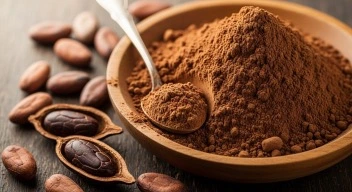
The main reason hot chocolate can be good for health is cocoa.
Cocoa contains compounds called flavanols, which are natural antioxidants.
According to the Harvard T.H. Chan School of Public Health, cocoa flavanols may support heart health by improving blood vessel function.
Flavanols may:
- Help improve blood flow
- Support healthy blood pressure
- Reduce inflammation
- Provide antioxidant protection
But here’s the important part:
The more processed the chocolate, the fewer flavanols remain.
That’s why hot chocolate made from real cocoa powder is different from a sugar-heavy mix.
If you’re curious how cocoa compares to regular chocolate, our article on Sugar Content in Milk vs Dark Chocolate breaks down how processing changes nutritional value.
Is Hot Chocolate Good for Heart Health?
This is one of the most common search questions.
What Research Suggests
Moderate cocoa intake has been linked to:
- Improved circulation
- Reduced LDL (bad) cholesterol oxidation
- Improved endothelial function
The Cleveland Clinic explains that dark chocolate with higher cocoa content may offer heart benefits when eaten in small amounts.
However:
- Benefits are linked to cocoa, not sugar
- Portion size matters
- Daily large servings are not recommended
The Reality
A modest cup made with:
- 1 tablespoon cocoa powder
- 1 cup milk
- 1–2 teaspoons sugar
is very different from a 20-ounce café-style hot chocolate.
So yes — hot chocolate can support heart health, but only in its simpler form.
What About Brain Benefits?
Cocoa flavanols may also support cognitive function.
Some research suggests cocoa may:
- Improve blood flow to the brain
- Enhance focus temporarily
- Support mood due to the presence of theobromine and small amounts of caffeine
If you’ve ever felt slightly energized after hot chocolate, that’s not your imagination. Cocoa naturally contains theobromine, a mild stimulant.
We explored caffeine-related chocolate effects in our article Does Hot Chocolate Have Caffeine?, which helps clarify what’s actually in your mug.
The Sugar Factor: Where Things Change
When people ask, “Is hot chocolate good for health?”, sugar is usually the concern.
Let’s look at typical numbers:
- 1 tablespoon unsweetened cocoa powder: ~1g sugar
- 1 cup milk: ~12g natural lactose sugar
- 2 teaspoons added sugar: ~8g
That’s roughly 20g total sugar in a modest homemade version.
Compare that to:
- Store mix packets: 20–30g sugar
- Café-style drinks: 35–60g sugar
For reference, the American Heart Association recommends:
- No more than 25g added sugar daily for women
- No more than 36g for men
So yes — hot chocolate can quickly become a sugar-heavy drink if you’re not careful.
Homemade vs Store-Bought: Does It Matter?
Absolutely.
Homemade Hot Chocolate
Pros:
- Control over sugar
- Higher cocoa content
- No preservatives
- Fresher flavor
Cons:
- Requires preparation time
Powdered Mix Hot Chocolate
Pros:
- Convenient
- Consistent taste
Cons:
- Often high in sugar
- May include additives and artificial flavors
If you enjoy making chocolate treats from scratch, you might also love our How to Make Mexican Hot Chocolate – Easy Recipe, which shows how spices can boost flavor without increasing sugar.
Is Hot Chocolate Good for Weight Management?
Hot chocolate is not a weight-loss drink.
However, a small portion:
- Can satisfy sweet cravings
- May reduce desire for larger desserts
- Feels indulgent without overeating
The key is:
- Use smaller mugs
- Skip whipped cream
- Use real cocoa
- Keep sugar moderate
When used intentionally, it can be part of a balanced lifestyle.
Is Hot Chocolate Good for Children?
Children love hot chocolate. But moderation matters.
Benefits:
- Warm comfort drink
- Provides calcium (if milk-based)
Concerns:
- Added sugar
- Large portions
If serving to children:
- Use less sugar
- Choose high-quality cocoa
- Skip toppings
- Serve smaller portions
A simple homemade version is always better than sugary powder mixes.
Dark Chocolate Hot Chocolate vs Milk Chocolate Version

This is where the health difference becomes clearer.
Dark Chocolate Hot Chocolate
- Higher cocoa content
- More flavanols
- Slightly less sugar (if not over-sweetened)
- Richer, less sweet flavor
Milk Chocolate Hot Chocolate
- Creamier taste
- Lower cocoa percentage
- Higher sugar
- Less antioxidant benefit
If you want more cocoa benefits, choose dark chocolate or unsweetened cocoa powder.
Can Hot Chocolate Improve Mood?
Many people report feeling comforted after drinking hot chocolate.
That’s partly psychological — warmth and nostalgia matter.
But cocoa also contains:
- Theobromine
- Phenylethylamine (in small amounts)
These compounds may slightly elevate mood.
It’s not a cure for anything — but it can be part of a calming ritual.
When Is Hot Chocolate Not Healthy?
Hot chocolate becomes less healthy when:
- Sugar exceeds 30–40g per serving
- Heavy cream replaces milk regularly
- It replaces balanced meals
- It becomes a daily large habit
Also, individuals with diabetes or blood sugar sensitivity should choose unsweetened versions carefully.
How to Make a Healthier Cup of Hot Chocolate
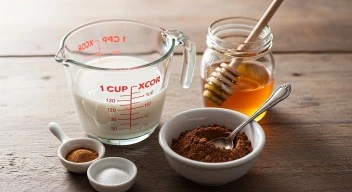
If you’re wondering how to enjoy hot chocolate without guilt, try this balanced approach:
Ingredients
- 1 cup milk (or almond milk)
- 1 tablespoon unsweetened cocoa powder
- honey as desired
- Pinch of cinnamon
- Small pinch of salt
Why It Works
- Cocoa provides antioxidants
- Milk provides protein and calcium
- Honey as sweetener to prevents sugar
This version keeps flavor rich while controlling sugar.
People Also Ask
Is hot chocolate good for you every day?
A small cup occasionally is fine. Daily large servings with high sugar are not ideal.
Does hot chocolate have caffeine?
Yes, but usually less than coffee. Cocoa contains small amounts of caffeine and theobromine.
Is hot chocolate healthier than coffee?
They serve different purposes. Coffee has more caffeine; hot chocolate has more sugar (usually).
Is hot chocolate anti-inflammatory?
Cocoa contains antioxidants that may support reduced inflammation — but sugar reduces that benefit.
Is hot chocolate good before bed?
A small cup may be relaxing, but sugar and mild stimulants could affect sensitive sleepers.
The Real Answer: It Depends on the Cup
So — is hot chocolate good for health?
It can be.
When made with real cocoa and moderate sugar, it offers antioxidants and comfort without excessive calories.
When overloaded with sugar and cream, it becomes more dessert than drink.
Like many chocolate treats, the difference lies in intention.
The Bottom Line
Hot chocolate isn’t automatically healthy — and it isn’t automatically unhealthy either.
Its impact depends on:
- Cocoa quality
- Sugar level
- Portion size
- Frequency
A thoughtfully made cup can offer antioxidants, warmth, and simple joy. A sugar-loaded version can easily become excessive.
So next time you make or order hot chocolate, ask yourself:
Am I choosing flavor and balance — or just sweetness?
How do you prefer your hot chocolate — dark and rich, or creamy and sweet?
Our Authority Sources
Harvard T.H. Chan School of Public Health – Overview of cocoa flavanols and heart health research.
Cleveland Clinic – Evidence-based guidance on chocolate and cardiovascular health.
American Heart Association – Daily added sugar recommendations.
International Cocoa Organization (ICCO) – Cocoa processing and composition information.