
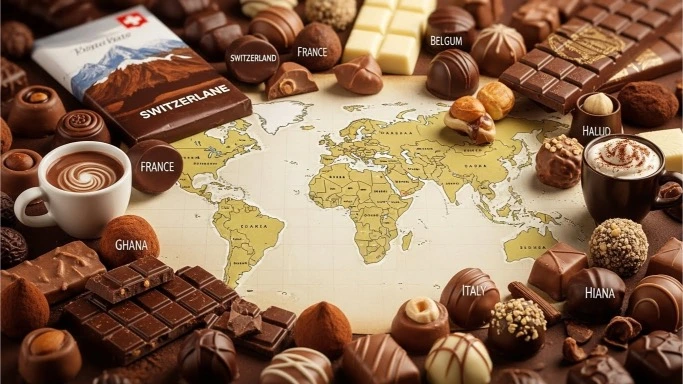
Chocolate may come from cacao beans, but what people do with those beans depends entirely on where you are in the world.
In some countries, chocolate is rich and barely sweet. In others, it’s creamy, playful, or spiced. Some cultures treat chocolate like a luxury art form. Others see it as comfort food, something tied to childhood and everyday life.
That’s what makes chocolate so fascinating.
This guide takes you on a flavorful journey around the globe to discover The best chocolate of the world and how different countries do chocolate, what makes each style unique, and what you should try if you ever get the chance.

Why Chocolate Tastes Different Around the World
Chocolate flavor isn’t just about cacao quality. It’s shaped by:
- Local traditions
- Sugar preferences
- Milk availability
- Historical trade routes
- Cultural attitudes toward sweets
Some countries focus on purity and technique. Others lean into fun, innovation, or nostalgia.
If you’ve ever wondered why chocolate tastes different when you travel, this is why.
For a deeper look at how cacao itself influences flavor, ChocoTalks.com has a helpful piece on cocoa origins and regional flavor profiles that pairs perfectly with this guide.
Switzerland: Smooth, Creamy, and Perfectly Balanced
When people think of luxury chocolate, Switzerland is often the first place that comes to mind — and for good reason.
What Makes Swiss Chocolate Unique
- High milk content
- Ultra-smooth texture
- Mild sweetness
- Clean finish
Swiss chocolatiers perfected milk chocolate in the 19th century, and the tradition stuck. Swiss chocolate is designed to melt slowly and evenly on the tongue.
It’s not flashy. It’s comforting, polished, and incredibly consistent.
If you enjoy melt-in-your-mouth chocolate, Swiss bars are hard to beat.
Belgium: Where Chocolate Is an Art Form
In Belgium, chocolate isn’t just food — it’s craftsmanship.
The Belgian Chocolate Style
- Focus on pralines and filled chocolates
- High cocoa butter content
- Elegant shapes and textures
- Rich, layered flavors
Belgian chocolatiers are famous for hand-crafted pralines with ganache, caramel, or nut fillings. The emphasis is on technique and balance, not overpowering sweetness.
According to the Belgian Chocolate Code, authentic Belgian chocolate follows strict quality rules that protect traditional methods.
This is the chocolate you gift, not rush through.
France: Chocolate for Grown-Up Palates
French chocolate has a very different personality.
In France, chocolate tends to be:
- Darker
- Less sweet
- Flavor-forward
- Minimalist
French chocolatiers often highlight the cacao itself, using single-origin beans and subtle flavor notes.
Chocolate in France is treated much like wine — something to taste slowly and thoughtfully.
Italy: Nutty, Creamy, and Comforting
Italian chocolate doesn’t always get the same spotlight, but it absolutely should.
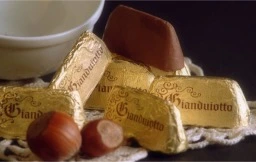
In Italy, one word defines chocolate: gianduja.
What Is Gianduja?
- Chocolate blended with hazelnut paste
- Smooth, spreadable texture
- Naturally sweet and rich
This style developed in northern Italy, where hazelnuts were abundant and cacao was expensive. The result? A chocolate that’s creamy, nutty, and deeply comforting.
If you love chocolate-hazelnut spreads, Italian chocolate will feel instantly familiar — but more refined.
Spain: Chocolate You Drink With a Spoon
Chocolate in Spain is an experience.
Spanish Chocolate Traditions
- Thick hot chocolate
- Almost pudding-like consistency
- Served with churros
Spanish hot chocolate is made with real chocolate, not cocoa powder, and thickened until it’s nearly drinkable dessert.
It’s rich, intense, and unapologetically indulgent.
Mexico: Chocolate With History and Spice
Chocolate’s story begins in Mexico.
Long before bars and truffles, cacao was used in ceremonial drinks. That heritage still shapes Mexican chocolate today.
What Makes Mexican Chocolate Different
- Coarse texture
- Cinnamon and spices
- Less sugar
- Used for both drinks and savory dishes
Mexican chocolate tablets are often dissolved into hot milk or water, creating a rustic, aromatic drink.
According to the Smithsonian , cacao played a sacred role in Mesoamerican cultures — a fact that still echoes in modern recipes.
Japan: Chocolate as Creativity
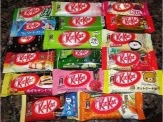
In Japan, chocolate is playful, seasonal, and endlessly inventive.
Japanese Chocolate Culture
- Unique flavors (matcha, yuzu, sakura)
- Limited editions
- Beautiful packaging
- Cultural gift-giving focus
Japan treats chocolate as a canvas for creativity. You’ll find flavors that sound unusual but somehow work perfectly.
If you enjoy trying unexpected chocolate combinations, Japan sets the bar high.
United States: Chocolate as Comfort and Innovation

Chocolate in the United States is all about variety.
American Chocolate Styles
- Classic candy bars
- Sweet, nostalgic flavors
- Growing craft chocolate movement
While mass-market chocolate leans sweeter, the U.S. has also become a hub for bean-to-bar makers who focus on ethically sourced cacao and bold flavors.
The National Institutes of Health highlights how American craft chocolate continues to evolve rapidly.
You can find everything here — from childhood favorites to serious, small-batch bars.
How to Explore Global Chocolate at Home
You don’t need a passport to explore world chocolate.
Try this:
- Visit specialty chocolate shops
- Look for single-origin bars
- Read ingredient lists (shorter is better)
- Compare sweetness levels
- Take notes on texture and flavor
Short FAQ: Chocolate Around the World
Why is European chocolate less sweet?
Cultural preferences lean toward stronger cacao flavor.
Is all Swiss chocolate milk chocolate?
No, but milk chocolate is their specialty.
What country has the best chocolate?
There’s no single “best.” It depends on your taste.
Is chocolate different in hot climates?
Yes. Heat affects texture, storage, and recipes.
Final Thoughts: One Ingredient, Endless Stories
Chocolate is universal, but the way it’s enjoyed is deeply local. From creamy Swiss bars to spiced Mexican tablets, each country adds its own personality to cacao.
That’s what makes chocolate so special. It tells stories — of culture, history, and taste — one bite at a time.If you love learning why chocolate tastes the way it does, you’ll find plenty more stories, guides, and discoveries waiting for you on ChocoTalks.com, where every bite truly tells a story.