

If you’ve ever stood in the chocolate aisle holding a $2 bar in one hand and a $12 bar in the other, you’ve probably asked yourself this question: are expensive chocolates really better, or is it just clever marketing?
The short answer is… sometimes.
The longer answer is a lot more interesting.
Chocolate pricing is influenced by ingredients, sourcing, craftsmanship, ethics, and even how the chocolate melts on your tongue. In this guide, we’ll break everything down in plain language so you can decide when paying more is worth it—and when it’s not.
Why Some Chocolates Cost So Much More
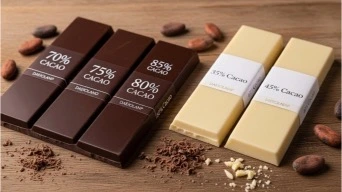
Not all chocolate is created equal. Price often reflects what happens before, during, and after the chocolate is made.
Ingredient Quality Matters More Than You Think
Expensive chocolates usually start with better raw ingredients.
That means:
- Higher cocoa content
- Fewer fillers
- Real cocoa butter instead of substitutes
- Less added sugar
Cheaper chocolates often rely on extra sugar, emulsifiers, and artificial flavors to cut costs. These ingredients can dull the flavor and change the texture.
If you’ve read our guide on Does Chocolate Have Caffeine?, you already know that cocoa content affects more than taste—it affects how chocolate makes you feel.
Cocoa Beans: Where They Come From Counts
One of the biggest price drivers is bean origin.
Premium chocolate makers often use:
- Single-origin cocoa beans
- Beans from regions like Ecuador, Madagascar, or Venezuela
- Carefully fermented and dried beans
Mass-produced chocolate usually blends beans from multiple countries to keep flavor consistent and costs low.
Think of it like coffee or wine. The source matters.
The Role of Craftsmanship in Chocolate Flavor

Small-Batch vs Mass Production
Expensive chocolates are often made in small batches. This allows chocolatiers to control:
- Roasting temperature
- Grinding time
- Texture and mouthfeel
- Flavor balance
Large manufacturers prioritize speed and volume. The result is chocolate that tastes “fine” but rarely memorable.
Conching Time: A Hidden Secret
Conching is the process that smooths chocolate and develops flavor.
- Cheap chocolate may be conched for a few hours
- Premium chocolate can be conched for 24–72 hours
Longer conching = smoother texture and deeper flavor.
This is one reason why high-end dark chocolate feels silkier and less gritty.
Is Expensive Chocolate Healthier?
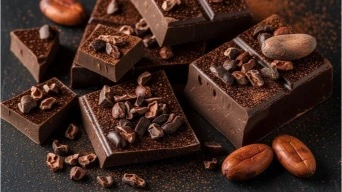
This is where things get interesting.
Sugar Content Makes a Big Difference
Many expensive chocolates contain less sugar than budget brands. That alone can make a noticeable difference in how your body responds.
If you’re watching sugar intake, our article on Milk Chocolate vs Dark Chocolate Nutrition explains why darker, higher-quality chocolate is often the better choice.
Cocoa = Antioxidants
Higher-quality chocolate typically has:
- More cocoa solids
- More flavonoids
- More antioxidants
These compounds are linked to heart and brain health, especially in dark chocolate.
That doesn’t mean all expensive chocolate is healthy—but it often has better potential.
Are You Paying for the Brand Name?
Sometimes… yes.
Luxury packaging, celebrity endorsements, and fancy branding can inflate prices. A gold wrapper doesn’t always mean better chocolate inside.
However, well-known premium brands often invest heavily in:
- Ethical sourcing
- Quality control
- Consistent flavor profiles
The trick is knowing how to read the label.
How to Tell If Expensive Chocolate Is Worth It
Here’s a quick checklist you can use in-store:
Check the Ingredient List
- Cocoa mass or cocoa liquor should be near the top
- Cocoa butter should be listed (not vegetable oil)
- Fewer ingredients usually means better quality
Look at Cocoa Percentage
- Dark chocolate: 70% or higher is often higher quality
- Milk chocolate: 30–45% cocoa is a good sign
Country of Origin
Single-origin or clearly sourced cocoa is usually a positive sign.
Expert Opinions: What Chocolatiers Say
Most chocolate experts agree on one thing:
“Price alone doesn’t determine quality—but extremely cheap chocolate almost always cuts corners.”
Professional tasters often look for:
- Clean snap when breaking the bar
- Smooth melt without waxiness
- Lingering flavor, not just sweetness
If you’re curious how this plays out globally, our deep dive into The Best Swiss Chocolate Brands shows how tradition and quality standards influence price.
When Cheap Chocolate Is Totally Fine
Let’s be honest. Not every chocolate moment needs a luxury bar.
Cheap chocolate works well for:
- Baking
- S’mores
- Chocolate chips in cookies
- Occasional cravings
Heat, sugar, and other ingredients often mask subtle flavor differences anyway.
Save the expensive stuff for when chocolate is the star of the show.
Expensive Chocolate vs Affordable Chocolate: A Quick Comparison
Expensive Chocolate
- Better ingredients
- Less sugar
- Smoother texture
- Ethical sourcing more common
- Richer flavor
Affordable Chocolate
- Sweeter
- More fillers
- Consistent taste
- Budget-friendly
- Great for baking
Neither is “wrong.” They just serve different purposes.
Short FAQ: Expensive Chocolate Explained
Is expensive chocolate always better?
No. Some mid-priced chocolates outperform expensive ones. Ingredients matter more than price.
Does expensive chocolate taste less sweet?
Usually, yes. Higher cocoa content means less sugar.
Is dark chocolate always expensive?
Not always. Some affordable dark chocolates offer excellent quality.
Can cheap chocolate be healthy?
Occasionally, but most health benefits come from higher cocoa content, which is more common in premium chocolate.
Final Thoughts: Should You Spend More on Chocolate?

Expensive chocolates can be better—but only when the price reflects quality, not just branding.
If you love complex flavors, smoother texture, and thoughtful sourcing, premium chocolate is worth exploring. If you just want something sweet after dinner, a basic bar might do the job just fine.
The best chocolate isn’t the most expensive one.
It’s the one you enjoy the most—mindfully.