
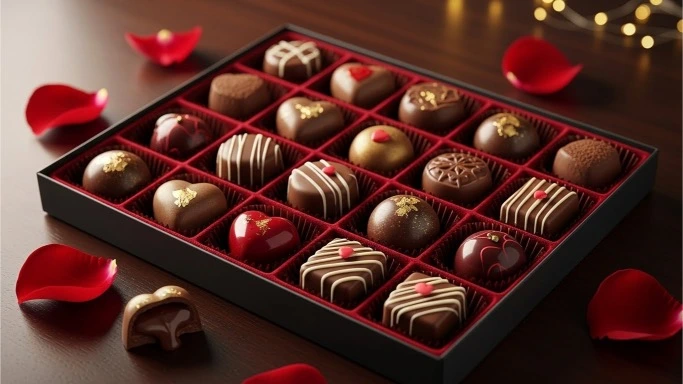
There are few pairings as timeless as Valentine and chocolate. Long before social media trends and heart-shaped packaging, chocolate had already claimed its place as the language of affection. One bite can say what words sometimes can’t: I care, I remembered, I chose this for you.
What makes this pairing so enduring isn’t just tradition. It’s the way chocolate connects memory, emotion, and sensory pleasure in a way few gifts can. Whether it’s a handmade truffle, a thoughtfully chosen bar, or a shared dessert at the end of a long day, chocolate has a way of slowing time—especially on Valentine’s Day.
This article explores why Valentine and chocolate remain inseparable, how the tradition evolved, what makes chocolate feel romantic, and how to enjoy it thoughtfully—without pressure, excess, or cliché.
Why Valentine and Chocolate Became Inseparable
The connection between love and chocolate didn’t happen overnight.
Chocolate has been associated with celebration and ritual for centuries. In ancient Mesoamerican cultures, cacao was considered precious—used in ceremonies, offered as gifts, and valued far beyond everyday food.
According to the International Cocoa Organization, cacao historically symbolized abundance, connection, and respect. When chocolate arrived in Europe, it quickly became linked to luxury and intimacy—two things Valentine’s Day celebrates deeply.
By the time Valentine’s Day became widely commercialized in the 19th century, chocolate had already earned its romantic reputation.
The Emotional Power of Chocolate on Valentine’s Day
Chocolate doesn’t just taste good. It feels good.
That’s part of why Valentine and chocolate work so well together.
Chocolate and Mood
Chocolate contains compounds that influence mood and pleasure, including small amounts of theobromine and compounds that support serotonin activity. While chocolate isn’t a treatment for emotional health, it can enhance moments of comfort and connection.
The Cleveland Clinic explains that cocoa-based foods may help support relaxation and reduce stress perception when enjoyed in moderation.
On Valentine’s Day—when emotions already run high—that gentle lift matters.
Valentine and Chocolate Across Cultures
Chocolate may be a global food, but Valentine traditions differ widely.
In Europe
Chocolate gifts often focus on craftsmanship:
- Artisanal truffles
- Minimalist packaging
- Emphasis on cocoa quality
In the United States
Chocolate is:
- Symbolic
- Widely gifted
- Often paired with cards, flowers, or desserts
In the Middle East
Luxury-style chocolates with nuts, dates, and spices have grown in popularity, blending regional flavors with romantic gifting. If this style intrigues you, How to Make Dubai Chocolate: Ingredients, Steps, and Tips explores this elegant variation.
Despite cultural differences, the message remains the same: chocolate is a gesture of intention.
Why Chocolate Feels More Personal Than Other Gifts
Flowers fade. Cards get tucked away.
Chocolate invites participation.
You unwrap it.
You smell it.
You taste it—often together.
That shared experience is what makes Valentine and chocolate feel intimate rather than transactional.
Choosing the Right Chocolate for Valentine’s Day
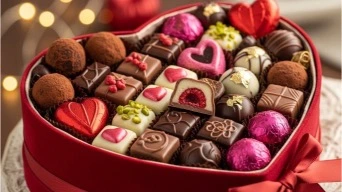
Not all Valentine chocolates feel equally thoughtful.
What Makes Chocolate Feel Special
- Quality ingredients
- Balanced sweetness
- Clear flavor identity
What Often Misses the Mark
- Overly sweet novelty chocolates
- Excess packaging with little substance
- Choosing quantity over quality
If you’re unsure whether higher-priced chocolate is worth it, Are Expensive Chocolates Really Better? What the Experts Say offers a clear, grounded perspective.
Dark, Milk, or White Chocolate for Valentine’s Day?

Each chocolate type carries a different emotional tone.
Dark Chocolate
- Bold and intense
- Often seen as more “grown-up”
- Pairs beautifully with wine and berries
Milk Chocolate
- Creamy and familiar
- Comforting and nostalgic
- Crowd-pleasing
White Chocolate
- Sweet and soft
- Works well with fruit and spice
- Visually romantic
If you enjoy understanding how chocolate types behave differently, Milk Chocolate vs Dark Chocolate Nutrition offers a helpful foundational guide.
Valentine and Chocolate at Home: Simple Ways to Celebrate
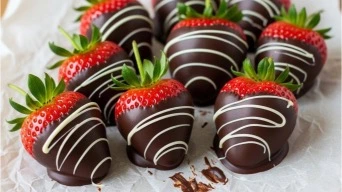
You don’t need a professional kitchen to make Valentine’s chocolate special.
Easy, Meaningful Ideas
- Chocolate-dipped strawberries
- A shared mug of hot chocolate
- A small homemade chocolate box
If drinks are part of your Valentine ritual, our article Is Hot Chocolate Good for Health? The Truth About Your Cup adds helpful context without guilt or exaggeration.
Common Valentine Chocolate Mistakes to Avoid
Even with the best intentions, a few things can dull the moment.
Buying Without Thought
Generic chocolates can feel impersonal.
Overdoing It
More chocolate doesn’t automatically mean more romance.
Ignoring Preferences
Not everyone loves super-dark or ultra-sweet chocolate.
Chocolate works best when it reflects the person receiving it.
Valentine and Chocolate Beyond Romance
Valentine’s Day isn’t only for couples—and chocolate doesn’t belong to just one kind of love.
Friends
Chocolate bark, truffles, or small shared treats.
Family
Simple desserts or a chocolate-centered gathering.
Yourself
A quiet moment with your favorite chocolate absolutely counts.
Valentine and chocolate are ultimately about appreciation—not labels.
People Also Ask About Valentine and Chocolate
Why is chocolate associated with Valentine’s Day?
Because of its historical links to luxury, pleasure, and emotional connection.
What chocolate is best for Valentine’s Day?
High-quality dark or milk chocolate with simple ingredients.
Is homemade chocolate more romantic?
Often, yes—because effort and intention show.
Do people still give chocolate on Valentine’s Day?
Absolutely. Chocolate remains one of the most gifted Valentine items worldwide.
Does Valentine’s chocolate have to be heart-shaped?
No. Flavor and thought matter more than shape.
Is dark chocolate more romantic?
Many people think so, but preference matters most.
Can chocolate be a meaningful gift without flowers?
Yes, especially when chosen carefully.
How far ahead can I prepare chocolate treats?
Most keep well for 3–5 days if stored properly.
A Note on Health and Moderation
Chocolate doesn’t need to be justified to be enjoyed—but honesty matters.
According to the Harvard T.H. Chan School of Public Health, cocoa-based chocolate can fit into a balanced diet when sugar is moderate and portions are reasonable.
Valentine’s chocolate is about enjoyment, not perfection.
Final Thoughts
Valentine and chocolate endure because they speak the same language.
Both are:
- Emotional
- Sensory
- Best when shared intentionally
Chocolate doesn’t promise anything it can’t deliver. It simply offers presence, pleasure, and a moment worth remembering.
And that’s why, year after year, this love story never gets old.
If you enjoy chocolate explored with warmth, clarity, and honesty, you’ll always find thoughtful inspiration waiting for you on ChocoTalks.com, where chocolate is treated as a pleasure meant to be savored—not rushed.
Our Authority Sources
- International Cocoa Organization
Cultural history and global significance of cacao - Harvard T.H. Chan School of Public Health
Evidence-based insights on cocoa compounds and moderation. - Cleveland Clinic
Medical context on chocolate, mood, and enjoyment.