
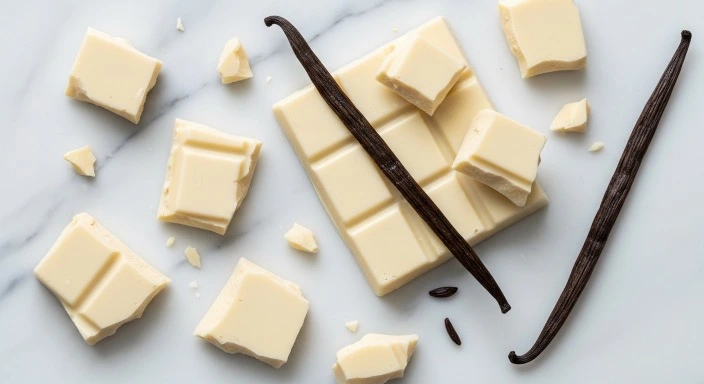
Why some people love white chocolate
White chocolate is one of the most polarizing sweets in the chocolate world.
Some people adore it. They crave its creamy sweetness, its buttery melt, and the way it pairs beautifully with tart berries or bold espresso. Others insist it’s “not real chocolate” and avoid it completely.
So what’s going on?
Why do some people love white chocolate — while others genuinely dislike it?
As chocolate lovers, we know taste is personal. But in the case of white chocolate, the divide is especially strong. In this deep, honest guide, we’ll explore:
- What white chocolate actually is
- Why it tastes so different from dark or milk chocolate
- The psychology behind why some people love it
- The common reasons others don’t
- How quality changes everything
- When white chocolate truly shines
Let’s unwrap the debate properly.
What Is White Chocolate, Really?
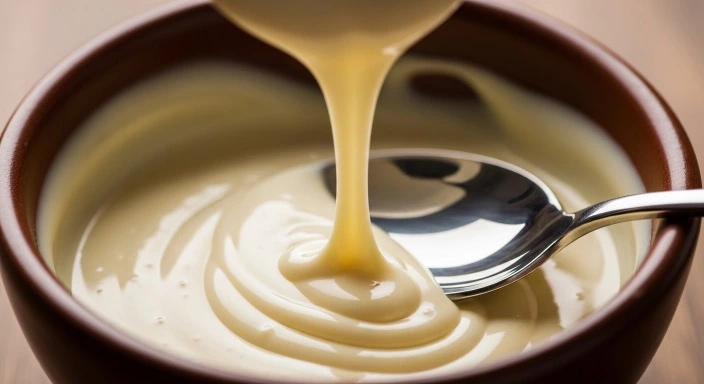
Before we talk about preference, we need clarity.
White chocolate is made from:
- Cocoa butter
- Sugar
- Milk solids
- Sometimes vanilla
- Often a small amount of lecithin (as an emulsifier)
What it does not contain: cocoa solids.
Cocoa solids are what give dark and milk chocolate their brown color and slightly bitter, complex flavor. Without cocoa solids, white chocolate has:
- No chocolate bitterness
- No deep cocoa aroma
- A pale ivory color
- A sweeter, creamier profile
If you want a deeper breakdown of how it’s made and regulated, you can read our full guide on what white chocolate is and how it’s made
In many countries, including the United States, white chocolate must contain at least 20% cocoa butter to legally be labeled as such (per FDA standards).
That matters more than most people realize.
Why Some People Love White Chocolate
Let’s start with the fans.
1. It’s Creamy and Comforting
White chocolate melts differently than dark chocolate.
Because it’s primarily cocoa butter and milk solids, it has:
- A soft, velvety mouthfeel
- A buttery finish
- No bitterness
For people who are sensitive to bitter flavors, white chocolate feels smooth and safe.
It’s the equivalent of choosing vanilla ice cream over espresso gelato.
2. It Highlights Other Flavors Beautifully
White chocolate doesn’t dominate.
It complements.
That’s why chefs often pair it with:
- Raspberry
- Strawberry
- Passionfruit
- Matcha
- Citrus zest
- Coffee
In baking, white chocolate acts like a sweet canvas.
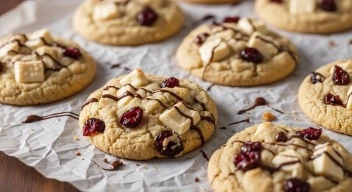
For example, in cookies, it provides creamy pockets of sweetness without overpowering fruit or nuts. If you’ve ever tried white chocolate cookies like the ones in our recipe collection here.
You’ll understand the appeal immediately.
3. It Feels Luxurious When High-Quality
High-quality white chocolate (with real cocoa butter) has:
- A gentle vanilla aroma
- A clean, buttery finish
- A silky melt
Low-quality white chocolate, however, tastes waxy and overly sugary. That difference alone explains many divided opinions.
More on that soon.
4. It’s Nostalgic
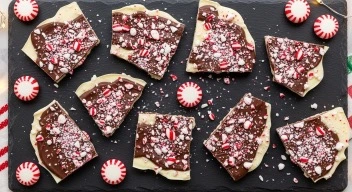
Many people grew up with white chocolate holiday treats — peppermint bark, white chocolate drizzle, Christmas cookies.
That emotional memory plays a powerful role.
Taste is deeply connected to nostalgia.
Why Some People Don’t Like White Chocolate
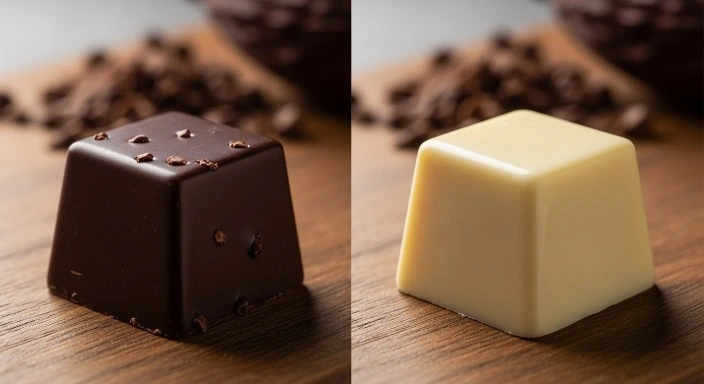
Now let’s talk about the other side of the debate.
1. It Lacks Cocoa Flavor
For chocolate purists, cocoa is everything.
They love the bold complexity of dark chocolate. If that’s you, you may prefer something like high-percentage dark chocolate instead. We explore that fully in is dark chocolate really healthy?
Without cocoa solids, white chocolate doesn’t deliver that roasted depth.
For some, that makes it feel incomplete.
2. It Can Be Too Sweet
White chocolate contains more sugar than most dark chocolate.
If you prefer balanced sweetness, you might find white chocolate overwhelming.
Especially in mass-produced versions.
3. Poor Quality Versions Are Common
This is a big one.
Many inexpensive white chocolate products replace cocoa butter with vegetable fats. That creates:
- Waxy texture
- Artificial aftertaste
- Flat sweetness
If someone’s only experience with white chocolate is low-quality candy coating, it makes sense they wouldn’t enjoy it.
4. It Doesn’t Fit Their Idea of “Real Chocolate”
Some chocolate lovers associate chocolate with bitterness and complexity.
White chocolate challenges that expectation.
Technically, because it contains cocoa butter, it is chocolate. But emotionally, some people disagree.
Is White Chocolate Actually “Not Real Chocolate”?
This question appears constantly in search engines.
According to the U.S. Food & Drug Administration (FDA), white chocolate must contain at least:
- 20% cocoa butter
- 14% total milk solids
- 3.5% milk fat
If it meets those standards, it is legally chocolate.
However, since it contains no cocoa solids, some purists argue it lacks chocolate’s defining component.
So legally: yes.
Flavor-wise: debatable.
The Science of Taste: Why We React Differently
Our taste preferences are shaped by:
- Genetic sensitivity to bitterness
- Cultural exposure
- Childhood flavor memories
- Sugar tolerance
Research summarized by Harvard T.H. Chan School of Public Health shows that flavor preference varies widely between individuals, especially regarding sweetness and bitterness sensitivity.
If you’re highly sensitive to bitterness, you’ll likely prefer milk or white chocolate.
If you enjoy bitterness (coffee, dark chocolate, arugula), white chocolate may feel one-dimensional.
Neither is right or wrong.
When White Chocolate Truly Shines

White chocolate performs beautifully in certain contexts.
1. Baking
It browns slightly and caramelizes gently. It also melts smoothly into dough.
It’s especially good in:
- Macadamia nut cookies
- Cranberry holiday cookies
- Blondies
2. Decorative Drizzles
Because of its pale color, white chocolate contrasts beautifully against dark cakes.
If you love layered desserts, you might enjoy how white chocolate balances richness in creations like elegant chocolate layered desserts
3. Seasonal Treats
White chocolate feels festive. Peppermint bark, holiday truffles, and winter desserts often use it creatively.
For example, white chocolate works beautifully in Christmas desserts like:
White chocolate Christmas cracks
4. Fruit Pairings
White chocolate + tart fruit = harmony.
It’s not about depth — it’s about balance.
Common Mistakes With White Chocolate
If you’ve tried it and disliked it, one of these may be the reason:
1. Buying Compound Chocolate
Look for cocoa butter on the ingredient list.
2. Overheating It
White chocolate burns faster than dark chocolate because of milk solids.
If you’re unsure about melting technique, see our guide on how to melt chocolate chips easily
3. Pairing It With Sweet Fillings
White chocolate plus caramel plus frosting? Too much.
It works best with contrast.
Is White Chocolate Healthier Than Dark Chocolate?
Short answer: no.
White chocolate lacks cocoa solids, which contain flavonoids linked to certain heart-related research findings at Cleveland Clinic.
White chocolate contains:
- Sugar
- Cocoa butter (fat)
- Milk solids
It’s best enjoyed as a treat, not a health food.
Moderation is key — just like any dessert.
People Also Ask About White Chocolate
Why does white chocolate taste different?
Because it contains no cocoa solids, only cocoa butter and sugar.
Is white chocolate gluten-free?
Most pure white chocolate is gluten-free, but always check labels for cross-contact risks.
Does white chocolate melt differently?
Yes. It burns faster and requires gentler heat.
Why does white chocolate turn yellow?
Age, heat exposure, or improper storage can affect color.
For storage tips, see our guide on how to store chocolate properly
FAQ
Is white chocolate sweeter than milk chocolate?
Usually, yes.
Can you substitute white chocolate for dark chocolate?
Not directly. It changes flavor, sweetness, and structure.
Does white chocolate contain caffeine?
No, because caffeine comes from cocoa solids.
Is white chocolate vegan?
Traditional white chocolate contains milk solids, so it is not vegan.
The Takeaway: Why Some People Love White Chocolate (And Others Don’t)
White chocolate isn’t trying to be dark chocolate.
It’s softer. Sweeter. Creamier. More delicate.
For some people, that’s exactly why they love it.
For others, the lack of cocoa intensity makes it feel incomplete.
Quality matters. Pairings matter. Personal taste matters even more.
White chocolate isn’t “better” or “worse” — it’s simply different.
And sometimes, different is exactly what you’re craving.
So tell me — are you team white chocolate… or do you reach for dark every time?
Our Authority Sources
To ensure accuracy and up-to-date information (2026), we referenced:
- U.S. Food & Drug Administration (FDA)
Defines labeling standards for white chocolate composition. - Harvard T.H. Chan School of Public Health – Nutrition Source
Research-backed nutrition insights. - Cleveland Clinic – Health Essentials
Evidence-based guidance on cocoa and health. - Academy of Nutrition and Dietetics
Balanced dietary recommendations. - National Confectioners Association
Chocolate industry standards and production information.