

At first glance, cacao and cocoa look like spelling variations of the same word.
One extra letter. Same bean. Same chocolate, right?
Not exactly.
The difference between cacao vs cocoa goes beyond spelling. It affects how chocolate tastes, how it’s processed, how it behaves in recipes, and even how people talk about health benefits.
If you’ve ever felt confused standing in front of cacao powder, cocoa powder, or ingredient labels that use both terms, you’re not alone. This guide breaks everything down clearly—no jargon, no hype—so you can actually understand what you’re buying and why it matters.
Why People Mix Up Cacao and Cocoa
The confusion is understandable.
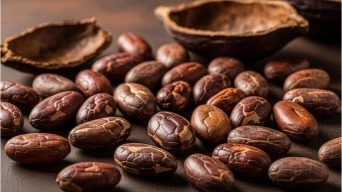
Both cacao and cocoa come from the same cacao bean.
They both end up in chocolate products.
They’re often used interchangeably in marketing.
But the key difference is processing.
That one difference changes flavor, nutrition, and how each one works in your kitchen.
What Is Cacao?
Cacao usually refers to products made from cacao beans that are minimally processed.
In most cases, cacao products are:
- Cold-pressed or gently processed
- Not heavily roasted
- Closer to the raw bean
Common cacao products include:
- Raw cacao powder
- Cacao nibs
- Raw cacao butter
Because cacao is less processed, it retains more of its natural compounds.
What Is Cocoa?
Cocoa refers to cacao beans that have been roasted at higher temperatures.
This roasting:
- Deepens flavor
- Reduces bitterness
- Changes antioxidant levels
Most traditional chocolate and baking products use cocoa.
Common cocoa products include:
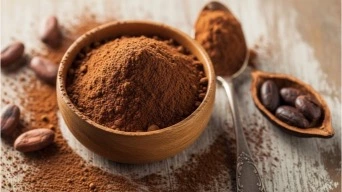
- Cocoa powder
- Dutch-processed cocoa
- Baking chocolate
If you bake regularly, cocoa is probably what you use most.
The Main Difference: Processing
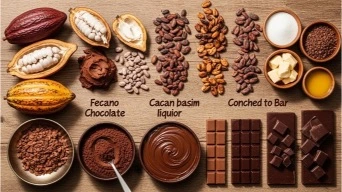
This is the heart of the cacao vs cocoa debate.
Cacao Processing
- Lower heat
- Minimal roasting
- Preserves more natural compounds
Cocoa Processing
- Higher heat
- Roasted beans
- Smoother, more familiar chocolate flavor
Neither is “better” in all situations. They simply serve different purposes.
Flavor Differences You Can Actually Taste
Cacao Flavor
- More bitter
- Earthy
- Slightly fruity or acidic
Cocoa Flavor
- Rich
- Smooth
- Classic chocolate taste
This is why cacao is often found in smoothies or health-focused recipes, while cocoa dominates baking.
If you’ve ever noticed that cocoa desserts feel more comforting, that’s not your imagination—it’s the roasting.
Cacao vs Cocoa: Nutrition Differences
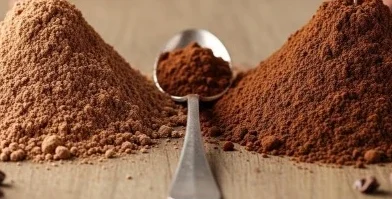
Processing affects nutrients, but context matters.
Cacao Nutrition
Because it’s less processed, cacao may contain:
- Slightly more antioxidants
- Higher levels of flavanols
According to Harvard T.H. Chan School of Public Health, flavanols are sensitive to heat, which explains why cacao is often highlighted in wellness discussions.
Cocoa Nutrition
Cocoa still contains:
- Antioxidants
- Minerals like magnesium and iron
But roasting reduces some of the more fragile compounds.
That said, cocoa is still nutritionally valuable—especially when sugar is kept low.
If you’re comparing chocolate types more broadly, Milk Chocolate vs Dark Chocolate Nutrition – What You Need to Know explains how cocoa percentage influences health impact.
Is Cacao Always Healthier Than Cocoa?
This is where marketing can get misleading.
Cacao is not automatically healthier than cocoa.
Why?
- Sugar content matters more than the word cacao or cocoa
- Portion size still counts
- Overall diet matters most
A lightly sweetened cocoa dessert can be more balanced than a cacao product loaded with sugar or sweeteners.
For a realistic take, Reasons Why Chocolate Is Bad for You explains how chocolate becomes less helpful regardless of form.
How Cacao and Cocoa Behave in Recipes
This difference matters in the kitchen.
Baking With Cocoa
Cocoa:
- Dissolves smoothly
- Has predictable flavor
- Works well with heat
That’s why nearly all baked chocolate desserts rely on cocoa.
If you’ve made cookies or cakes, you’ve probably used cocoa without thinking about it.
Using Cacao in Recipes
Cacao works best in:
- Smoothies
- Energy balls
- No-bake desserts
High heat can make cacao taste harsh or bitter.
If you love baking cookies with intention, our article How to Make Cookies with Love – Easy Recipes That Truly Matter shows how ingredient choice affects the final result.
Cacao vs Cocoa in Chocolate Bars
Here’s an interesting detail:
Most chocolate bars labeled “cacao” are still roasted.
In many cases:
- “Cacao” is a branding choice
- “Cocoa” is the technical term
The International Cocoa Organization notes that the terms are often used inconsistently in commercial labeling.
That’s why ingredient lists matter more than front labels.
Cocoa Butter: Where It Fits In
Both cacao and cocoa products can include cocoa butter.
Cocoa butter:
- Is the natural fat from the cacao bean
- Determines how chocolate melts
- Affects mouthfeel and texture
Understanding cocoa butter helps explain why chocolate behaves the way it does. What Is Cocoa Butter? Benefits & Uses for Better Health covers this in detail.
Does Cacao or Cocoa Contain Caffeine?
Yes—both can.
Caffeine comes from the cacao bean itself, not the processing method.
However:
- Dark chocolate (higher cocoa solids) contains more caffeine
- Processing slightly affects levels
If caffeine sensitivity matters to you, our article Does Chocolate Have Caffeine? Truth You Need to Know breaks this down clearly.
Cacao vs Cocoa in Everyday Shopping
Here’s how to choose without overthinking it.
Choose Cacao If:
- You’re making smoothies
- You prefer minimal processing
- You enjoy bitter flavors
Choose Cocoa If:
- You’re baking
- You want classic chocolate taste
- You want predictable results
Both can fit into a balanced lifestyle.
Are Expensive Cacao Products Worth It?
Sometimes—but not always.
Expensive cacao products often highlight:
- Raw processing
- Ethical sourcing
- Minimal handling
But price doesn’t always equal quality.
If you’re curious how price affects chocolate overall, Are Expensive Chocolates Really Better? What the Experts Say explains when paying more actually makes sense.
Common Myths About Cacao vs Cocoa
“Cacao is raw chocolate”
Not always. Many cacao products are still roasted.
“Cocoa is unhealthy”
False. Cocoa still contains beneficial compounds.
“Cacao has no sugar”
Only if no sugar is added—always check labels.
According to FDA, ingredient lists tell the real story, not front-of-package claims.
Short FAQ: Cacao vs Cocoa
Is cacao better than cocoa?
It depends on how you’re using it.
Can I substitute cacao for cocoa?
Sometimes—but expect flavor differences.
Which is better for baking?
Cocoa, in most cases.
Which has more antioxidants?
Cacao, slightly—but both offer benefits.
Final Thoughts
The difference between cacao vs cocoa isn’t about right or wrong. It’s about context.
Cacao:
- Less processed
- More intense
- Best for no-bake and wellness recipes
Cocoa:
- Roasted
- Smoother
- Ideal for baking and classic desserts
Once you understand the difference, labels stop feeling confusing—and chocolate becomes more intentional.
And if you enjoy chocolate education that’s clear, balanced, and grounded in real use (not trends), you’ll find many more thoughtful guides waiting for you on ChocoTalks.com, where chocolate is always explained with curiosity and care.