
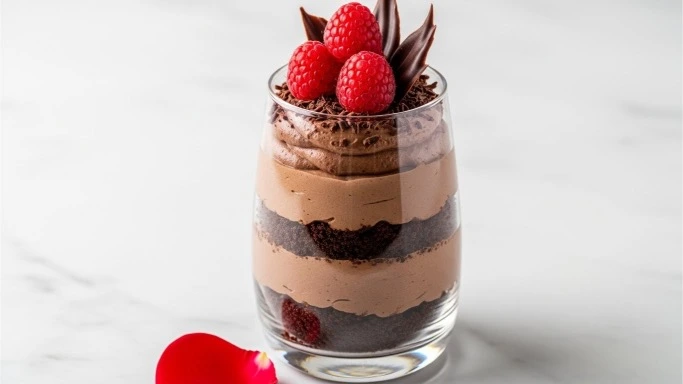
Some desserts are made to impress a room. Others are made to be shared — slowly, quietly, and with intention. A Valentine’s chocolate layered dessert belongs in the second category. It’s not about height or drama. It’s about contrast. Smooth chocolate. Soft cream. Gentle sweetness. Each layer revealing itself one spoonful at a time.
This is the kind of dessert that invites conversation. One dish. Two spoons. No rush.
The best part? You don’t need advanced baking skills or fancy equipment. With a little patience and good chocolate, you can create a dessert that feels thoughtful, romantic, and deeply satisfying.
Let’s start with a detailed, approachable recipe, then explore variations, tips, and common mistakes so you can make it your own.
Valentine’s Chocolate Layered Dessert (Step-by-Step Recipe)
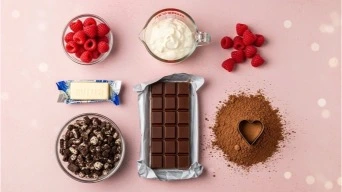
This recipe creates a three-layer chocolate dessert that balances richness and lightness. It works beautifully in small glasses for sharing or in one shallow dish meant for two.
Ingredients You’ll Need
Layer 1 – Chocolate Biscuit Base
- 1½ cups chocolate cookies or chocolate biscuits, finely crushed
- 6 tablespoons unsalted butter, melted
Layer 2 – Silky Chocolate Cream
- 8 oz dark or semi-sweet chocolate (60–70%)
- 1 cup heavy cream
- 2 tablespoons sugar (adjust to taste)
- 1 teaspoon vanilla extract
Layer 3 – Light Chocolate Mousse
- 4 oz dark chocolate
- ¾ cup heavy cream
- 1 tablespoon cocoa powder
Optional Valentine touches:
- Fresh raspberries
- Dark chocolate shavings
- A pinch of espresso powder
Step 1: Prepare the Chocolate Base
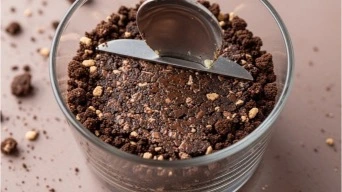
Mix the crushed chocolate biscuits with melted butter until evenly coated. The texture should resemble damp sand — cohesive but not greasy.
Press firmly into the bottom of serving glasses or a shallow glass dish. Smooth the surface using the back of a spoon.
Refrigerate for 15–20 minutes to set.
This base adds structure and keeps the dessert from feeling overly soft.
Step 2: Make the Chocolate Cream Layer
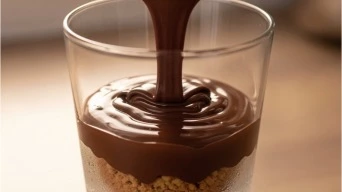
Heat the cream gently until warm (do not boil). Pour it over chopped chocolate and let it sit for one minute. Stir slowly from the center outward until smooth and glossy. Add sugar and vanilla.
Pour carefully over the chilled base, tilting the glass or dish slightly to spread evenly.
Refrigerate for 20–30 minutes until softly set.
If melting chocolate ever feels tricky, this guide helps avoid grainy texture: How to Melt Chocolate Chips Easily
Step 3: Whip the Light Chocolate Mousse for This Valentine’s Chocolate Layered Dessert
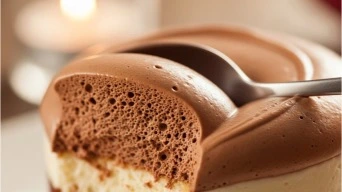
Melt the remaining chocolate and allow it to cool slightly.
Whip the cream until soft peaks form. Gently fold in cocoa powder, then the melted chocolate. Use slow, careful movements to keep the mousse airy.
Spoon the mousse over the chocolate cream layer. Smooth or create soft swirls.
Chill for at least 2 hours, ideally overnight.
Why Chocolate Layered Dessert Are Perfect for Valentine’s Day
Layered desserts invite slow eating. Each bite moves through texture and flavor instead of overwhelming the palate.
Chocolate works especially well in layers because bitterness, sweetness, and creaminess unfold gradually. That balance is what makes this dessert feel romantic rather than heavy.
If you enjoy understanding chocolate structure and flavor depth, this foundational guide adds helpful context: Chocolate Liquor Explained: A Simple Guide for Chocolate Lovers
Choosing the Right Chocolate for a Romantic Dessert
Chocolate choice matters more here than in most recipes.
Best options
- Dark chocolate (60–70%) for depth and balance
- Semi-sweet chocolate for a softer profile
Avoid
- Compound chocolate (waxy texture)
- Very sweet milk chocolate for main layers
If you’re unsure which chocolate is best for baking vs melting, this comparison helps clarify: Regular Chocolate vs Baking Chocolate – All You Need to Know
Glasses vs Dish & Dark vs Semi-Sweet Chocolate
| Choice | Best For | Why It Works | When to Avoid |
| Individual Glasses | Romantic dinners, date night | Elegant presentation, portion control, beautiful layers visible | If serving a crowd or transporting |
| One Shared Dish | Cozy at-home Valentine’s dessert | Encourages sharing, relaxed and intimate | If you want formal plating |
| Dark Chocolate (60–70%) | Deep chocolate lovers | Balanced sweetness, richer flavor, less sugary | If you prefer very mild chocolate |
| Semi-Sweet Chocolate | Crowd-pleasing taste | Smooth, familiar flavor, easier for beginners | If dessert already includes sweet toppings |
Both choices work beautifully — the best option depends on how you want the dessert to feel, not just how it looks.
Valentine Variations That Feel Thoughtful (Not Complicated)
You can personalize this dessert without overloading it:
- Raspberry layer: Add a thin layer of raspberry compote between cream and mousse
- Espresso note: Add ½ teaspoon espresso powder to the chocolate cream
- Citrus touch: Add orange zest to the mousse for brightness
For a deeper look at why chocolate and Valentine’s Day are so closely linked: Valentine and Chocolate: A Love Story That Never Gets Old
Common Mistakes (And How to Avoid Them)
Layers blending together
→ Chill each layer fully before adding the next.
Chocolate turning grainy
→ Overheating or moisture exposure. Melt gently.
Dessert tasting too heavy
→ Balance rich layers with at least one light, whipped layer.
Make-Ahead & Storage Tips
- Best enjoyed within 48 hours
- Store covered in the refrigerator
- Do not freeze — texture will suffer
FAQ: Valentine’s Chocolate Layered Dessert
Can I make this dessert the day before Valentine’s Day?
Yes. It actually improves with time.
Is this dessert very rich?
It’s balanced — rich, but not overwhelming.
Can I serve it in one dish instead of glasses?
Absolutely. A shallow glass dish works beautifully.
Can I reduce the sugar?
Yes, especially when using high-quality dark chocolate.
Can this dessert be made without baking?
Yes — it’s completely no-bake.
Why This Valentine’s Chocolate Layered Dessert Feels Special
This isn’t a dessert you rush.
A Valentine’s chocolate layered dessert is about pause — the pause between layers, between bites, between conversations. It doesn’t try to impress with size or complexity. It wins through care.
That’s what makes it worth sharing.
Our Authority Sources
- International Cocoa Organization (ICCO) – Cocoa quality, chocolate composition, and processing standards
- FDA (U.S. Food & Drug Administration) – Chocolate ingredient standards and food safety guidelines
- Harvard T.H. Chan School of Public Health – Cocoa compounds and ingredient transparency