
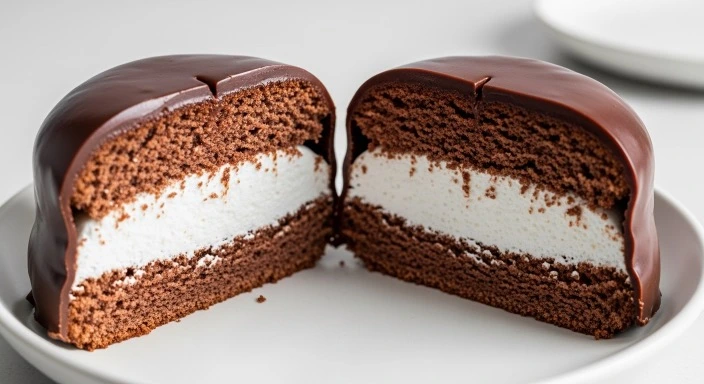
Nutrition facts of choco pie
Choco pie is one of those treats that feels familiar before you even take a bite. Soft cake, creamy filling, chocolate coating — it’s comfort food wrapped in nostalgia. But once the wrapper is open (or the plate is set), a quiet question often follows:
What am I actually eating?
Not in a guilty way. Just a curious one.
Understanding the nutrition facts of choco pie doesn’t mean you’re trying to ruin the moment. It means you want to enjoy it with awareness, not assumptions. Let’s break down what’s inside a choco pie, what matters nutritionally, and how homemade and packaged versions really compare — without fear, hype, or labels that don’t help.
What Is a Choco Pie, Nutritionally Speaking?
At its core, a choco pie is a layered dessert, typically made of:
- Two soft cake layers
- A sweet cream or marshmallow filling
- A chocolate coating
From a nutrition perspective, this means choco pie combines carbohydrates, fats, and sugars, with smaller amounts of protein.
That balance is what gives it:
- Quick energy
- A satisfying mouthfeel
- High palatability (it’s easy to want more than one)
The exact numbers, however, depend heavily on whether the choco pie is packaged or homemade — something we’ll come back to.
Average Nutrition Facts of a Packaged Choco Pie
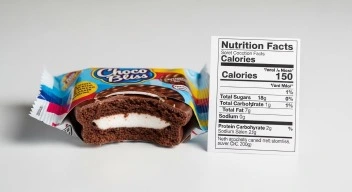
Most packaged choco pies fall into a similar range per single piece (about 28–35g):
- Calories: 120–150 kcal
- Carbohydrates: 18–22g
- Sugars: 10–14g
- Fat: 4–6g
- Saturated fat: 2–3g
- Protein: 1–2g
- Fiber: <1g
These numbers vary by brand, but the pattern stays consistent: moderate calories, relatively high sugar, low fiber.
Packaged choco pies are designed to be:
- Shelf-stable
- Uniform in texture
- Sweet enough to appeal broadly
That design choice influences their nutrition profile as much as their taste.
Where the Calories in Choco Pie Come From
Understanding calories helps more than counting them.
1. Refined Flour
The cake layers are usually made with refined wheat flour, which provides structure and softness — but very little fiber.
2. Added Sugars
Sugar appears in:
- Cake layers
- Filling
- Chocolate coating
This stacked sweetness is why choco pies taste indulgent despite their small size.
3. Fats
Fats come from:
- Chocolate coating
- Oils or shortening in the cake
- Sometimes palm oil in packaged versions
Fat improves mouthfeel and shelf life, but also increases calorie density.
Sugar in Choco Pie: The Biggest Nutritional Question
Most people asking about nutrition facts of choco pie are really asking:
“Is there too much sugar?”
A single packaged choco pie often contains 10–14 grams of sugar, which is:
- About 2½–3½ teaspoons
- Nearly half of the WHO’s suggested daily added sugar limit for adults
That doesn’t make choco pie “bad.”
It simply means it’s best enjoyed as a treat, not a staple.
One mindful serving fits easily into a balanced diet — especially when paired with meals rich in fiber and protein.
Does Choco Pie Offer Any Nutritional Value?
Choco pie isn’t a health food, but it isn’t nutritionally empty either.
Small positives include:
- Quick energy from carbohydrates
- Satisfaction factor, which can prevent overeating later
- Cocoa compounds, depending on chocolate quality
Dark chocolate coatings or cocoa-rich versions offer small amounts of antioxidants, but the quantities are modest.
This is a dessert that feeds comfort and pleasure, not micronutrient needs — and that’s okay.
Homemade vs Packaged Choco Pie: Nutrition Differences That Matter
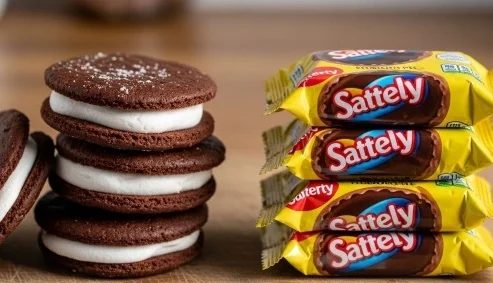
This is where nutrition facts get interesting.
If you’ve ever wondered whether homemade really makes a difference, the answer is yes — nutritionally and practically.
We break the full comparison down in Homemade vs Packaged Choco Pie: Is Homemade Really Better?, but here’s the nutrition-focused summary.
Homemade Choco Pie Nutrition Advantages
- Control over sugar quantity
- Ability to use real butter instead of shortening
- Option to use darker chocolate
- No preservatives or stabilizers
Homemade doesn’t automatically mean “low calorie,” but it does mean transparent.
If you want to see exactly how ingredients affect nutrition, our How to Make Choco Pie at Home guide shows every component step by step.
Comparison Nutrition Table
(Packaged vs Homemade Choco Pie)
| Nutrition Aspect | Packaged Choco Pie (Average) | Homemade Choco Pie (Typical) |
| Calories (per piece) | 120–150 kcal | 140–180 kcal (varies by recipe) |
| Added Sugar | 10–14 g | 6–10 g (adjustable) |
| Fat Source | Shortening or palm oil | Butter or cocoa butter |
| Saturated Fat | Moderate | Moderate (depends on chocolate used) |
| Fiber | Very low (<1 g) | Slightly higher (with cocoa or dark chocolate) |
| Protein | 1–2 g | 2–3 g |
| Preservatives | Yes | No |
| Ingredient Transparency | Fixed, brand-dependent | Fully controlled by baker |
| Portion Control | Pre-portioned | Customizable |
Portion Size: Why One Choco Pie Feels So Satisfying
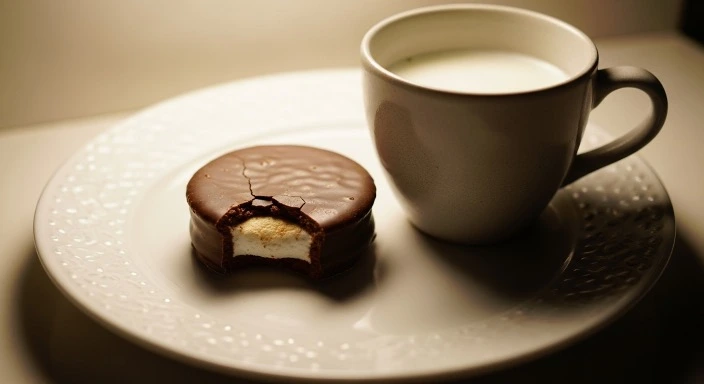
Choco pies are small — and intentionally so.
Their layered structure delivers:
- Sweetness
- Fat
- Soft texture
- Chocolate aroma
All in one bite-sized format. This combination triggers satiety signals quickly, which is why one often feels enough.
That makes portion awareness easier compared to larger desserts where stopping mid-slice feels awkward.
Choco Pie and Blood Sugar: What to Know
Because choco pies are:
- Low in fiber
- Moderate to high in sugar
They can cause a quick rise in blood glucose, especially when eaten alone.
Ways to enjoy more steadily:
- Eat choco pie after a meal, not on an empty stomach
- Pair it with protein (milk, yogurt, nuts)
- Choose homemade versions with reduced sugar
These small habits help your body process sweets more smoothly — without taking away enjoyment.
How Often Can You Enjoy Choco Pie?
There’s no universal number, but context matters.
Choco pie works best as:
- An occasional treat
- A dessert, not a snack habit
- Something enjoyed mindfully
If it’s part of a diet rich in whole foods, fruits, vegetables, and protein, there’s room for it — without guilt or extremes.
Label Reading Tips for Packaged Choco Pies
If you’re buying packaged choco pies, here’s what to glance at:
- Serving size: some packages show half a pie
- Added sugars: compare brands
- Fat source: cocoa butter vs palm oil
- Ingredient length: shorter is often simpler
This doesn’t mean avoiding them — just choosing intentionally.
Common Nutrition Myths About Choco Pie
“Choco pie has no real chocolate.”
Some use cocoa-based coatings; others use real chocolate. It depends on the brand.
“Homemade is always healthier.”
Not necessarily — sugar and portion still matter.
“One choco pie ruins a diet.”
It doesn’t. Patterns matter more than single treats.
FAQ: Nutrition Facts of Choco Pie
Is choco pie high in calories?
Moderate. One piece usually ranges from 120–150 calories.
Does choco pie contain trans fat?
Most modern brands avoid it, but always check labels.
Is homemade choco pie lower in sugar?
It can be, depending on the recipe.
Can choco pie fit into a balanced diet?
Yes, when enjoyed occasionally and mindfully.
Is choco pie suitable for kids?
In moderation, yes — especially as an occasional dessert.
The Real Truth About Your Bite
Choco pie isn’t meant to be analyzed bite by bite while you’re eating it.
It’s meant to be:
- Enjoyed
- Shared
- Remembered
Understanding the nutrition facts doesn’t take the joy away — it gives you confidence. Confidence to enjoy a homemade version when you want control, or a packaged one when you want convenience.
That balance is what makes chocolate part of real life, not a rulebook.
Our Authority Sources
- U.S. Food & Drug Administration (FDA) – Food labeling standards and added sugar guidance
- Harvard T.H. Chan School of Public Health – Sugar, processed foods, and dietary balance
- Cleveland Clinic – Nutrition context for desserts and blood sugar response
- International Cocoa Organization (ICCO) – Cocoa composition and chocolate ingredients