
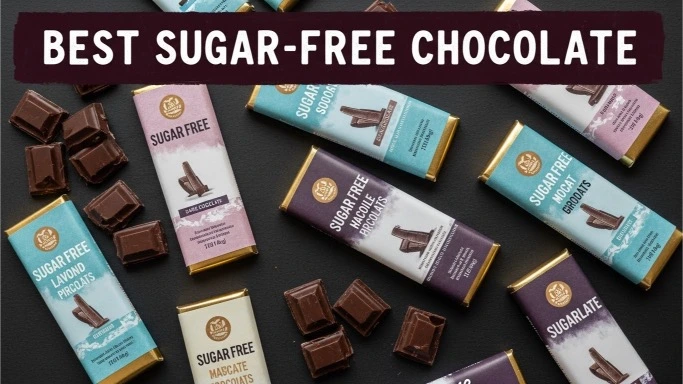
best sugar-free chocolate
Sugar-free chocolate sounds like a dream.
Chocolate… without the sugar crash.
But if you’ve ever picked up a “sugar-free” bar and thought, This tastes weird or Is this actually better for me?—you’re asking the right questions.
The truth is, not all sugar-free chocolate is created equal. Some options are genuinely smart choices. Others just swap sugar for ingredients that cause their own problems.
This guide breaks down the best sugar-free chocolate options, how to read labels without confusion, which sweeteners work best, and how to choose chocolate that actually fits a healthier lifestyle—without giving up taste.
What Does “Sugar-Free Chocolate” Really Mean?
When a chocolate is labeled sugar-free, it usually means:
- No added table sugar (sucrose)
- Sweetness comes from sugar alternatives
It does not always mean:
- Low calorie
- Carb-free
- Automatically healthy
That’s why understanding ingredients matters more than the label on the front.
If sugar content is something you actively track, our article How Much Sugar in Chocolate – All You Need to Know explains where sugar hides and why it adds up fast.
Why People Choose Sugar-Free Chocolate
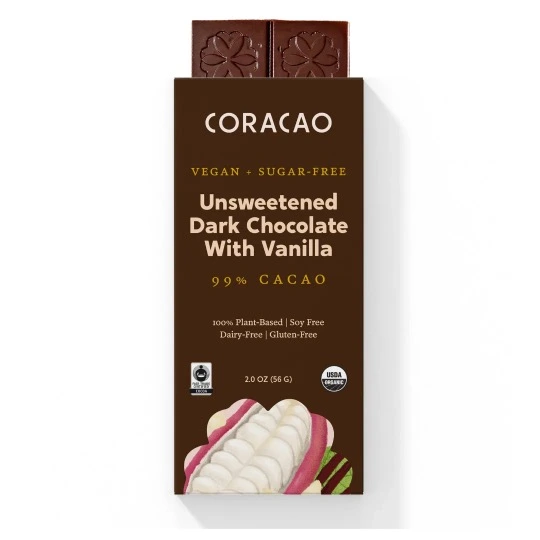
People reach for sugar-free chocolate for many reasons:
- Reducing sugar intake
- Managing blood sugar
- Keto or low-carb diets
- Avoiding energy crashes
- Dental health concerns
These are valid goals—but the chocolate still has to work with your body, not against it.
Common Sweeteners Used in Sugar-Free Chocolate
This is where quality differences show up.
Erythritol
- Zero calories
- Does not spike blood sugar
- Clean taste
Downside: Can cause bloating for some people.
Monk Fruit
- Natural sweetener
- No blood sugar spike
- Often blended with erythritol
Generally well tolerated and popular in premium brands.
Stevia
- Very sweet
- Zero calories
- Slight bitter aftertaste for some
Works best when blended, not used alone.
Maltitol (Be Careful)
- Common in cheap sugar-free chocolate
- Can raise blood sugar
- Frequently causes digestive discomfort
According to Cleveland Clinic, maltitol can impact blood glucose almost like sugar—making it a poor choice for many people.
Ingredients to Avoid (Red Flags)
When choosing the best sugar-free chocolate, watch out for:
- Maltitol as the main sweetener
- Vegetable oils replacing cocoa butter
- Long ingredient lists
- Artificial flavors
High-quality chocolate—sugar-free or not—should still respect the basics.
Understanding fats can help here. Article What Is Cocoa Butter? Benefits & Uses for Better Health explains why real cocoa butter matters for both taste and digestion.
Dark Chocolate Is Usually the Best Sugar-Free Option
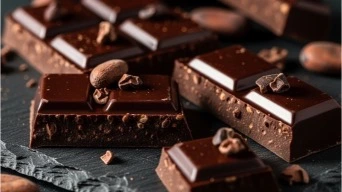
Sugar-free dark chocolate tends to perform better than milk-style alternatives.
Why?
- Cocoa flavor masks sweetener aftertaste
- Naturally lower sugar expectations
- Better antioxidant profile
If you’re comparing types, click on Milk Chocolate vs Dark Chocolate Nutrition that breaks down why dark chocolate usually wins nutritionally.
Sugar-Free Chocolate and Blood Sugar
One of the biggest reasons people switch is blood sugar control.
Well-made sugar-free chocolate:
- Has minimal impact on blood glucose
- Reduces cravings caused by sugar spikes
- Feels more satisfying in smaller portions
According to American Diabetes Association, sugar substitutes like erythritol and monk fruit generally do not raise blood sugar levels.
That said, portion size still matters.
Does Sugar-Free Chocolate Have Caffeine?
Yes—if it contains cocoa solids.
Sugar-free chocolate still includes:
- Caffeine
- Theobromine
These come from cocoa, not sugar.
If caffeine sensitivity is a concern, our article Does Chocolate Have Caffeine? Truth You Need to Know explains which chocolates contain more and when timing matters.
Calories: The Part People Forget
Sugar-free does not mean calorie-free.
Most sugar-free chocolates still contain:
- Cocoa butter
- Nuts or nut-based ingredients
Calories can be similar to regular chocolate. The benefit comes from lower sugar impact, not lower energy.
This is why sugar-free chocolate works best when eaten intentionally, not mindlessly.
Is Sugar-Free Chocolate Actually Healthier?
It can be—but context matters.
Sugar-Free Chocolate Is Helpful If You:
- Are reducing added sugars
- Follow keto or low-carb diets
- Experience sugar crashes
- Want better blood sugar stability
It’s Less Helpful If You:
- Overeat because it feels “safe”
- Ignore calories and portion size
- Choose low-quality sweeteners
For a balanced perspective, Reasons Why Chocolate Is Bad for You explains how overconsumption—sugar-free or not—can still cause issues.
How to Choose the Best Sugar-Free Chocolate (Step-by-Step)
1. Check the Sweetener First
Prefer:
- Erythritol
- Monk fruit
- Stevia blends
Avoid:
- Maltitol
2. Look at Cocoa Percentage
- 70% or higher is ideal
- More cocoa = better flavor and benefits
3. Read the Ingredient List
Shorter is better.
4. Watch Portion Size
Even the healthiest choc is still a treat.
Sugar-Free Chocolate and Heart Health
Dark, sugar-free chocolate can support heart health when:
- Cocoa content is high
- Sugar is absent
- Portions are moderate
Flavanols in cocoa help support blood vessel function.
The Harvard T.H. Chan School of Public Health highlights cocoa’s role in cardiovascular support when sugar intake is low.
For a deeper dive, check out our full guide about The Benefits of Dark Chocolate for Heart, Brain, and Skin that connects the dots clearly.
Digestive Sensitivity: What to Know
Some sugar-free chocolates cause:
- Bloating
- Gas
- Stomach discomfort
This is usually due to:
- Sugar alcohols
- Large portions
If you’re sensitive, start small and avoid maltitol-heavy products.
According to Mayo Clinic, sugar alcohol tolerance varies widely between individuals.
Sugar-Free Chocolate for Keto & Low-Carb Diets
Sugar-free chocolate is popular in keto circles because:
- Net carbs are low
- Sweetness without insulin spikes
Still, always check:
- Net carbs per serving
- Sweetener type
Keto-friendly doesn’t mean unlimited.
Short FAQ: Best Sugar-Free Chocolate
Is sugar-free chocolate good for diabetics?
Often yes, but sweetener choice matters.
Does sugar-free chocolate taste good?
High-quality brands do—cheap ones often don’t.
Is sugar-free chocolate better for teeth?
Yes, it’s less likely to contribute to cavities.
Can kids eat sugar-free chocolate?
Occasionally, but not as a daily habit.
Final Thoughts

The best sugar-free chocolate isn’t about tricking your body—it’s about choosing ingredients that respect it.
When you focus on:
- The right sweeteners
- High cocoa content
- Simple ingredients
- Reasonable portions
Sugar-free chocolate can be a smart, satisfying alternative—not a compromise.
And if you enjoy honest, practical chocolate guidance—covering sugar, health, and enjoyment—you’ll find many more clear, balanced resources waiting for you on ChocoTalks.com, where chocolate is explored with curiosity and common sense.