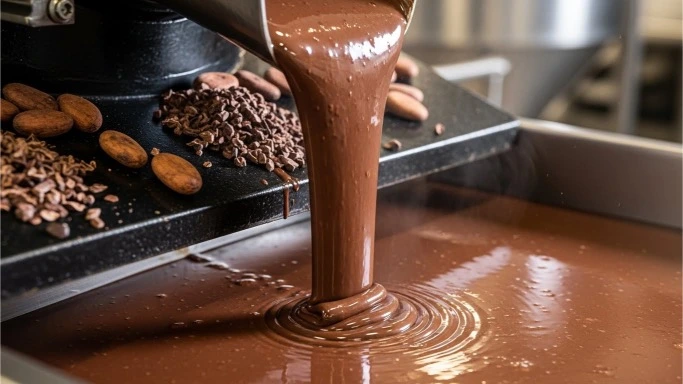
Chocolate liquor explained
If you’ve ever flipped over a chocolate bar and seen “chocolate liquor” listed in the ingredients, you might have paused for a second. The name sounds bold. A little mysterious. Maybe even confusing.
Let’s clear this up right away:
Chocolate liquor has absolutely nothing to do with alcohol.
Chocolate liquor is the pure, foundational form of chocolate—the heart of everything from dark chocolate bars to milk chocolate desserts. If you love chocolate, understanding chocolate liquor helps you appreciate flavor, quality, and even why different chocolates taste the way they do.
This guide breaks it all down in a simple, friendly way—no jargon, no myths, just chocolate knowledge you can actually enjoy.
What Is Chocolate Liquor, Exactly?
Chocolate liquor (also called cocoa liquor or cocoa mass) is made from roasted cocoa beans that have been ground into a smooth, thick paste.
That’s it.
No alcohol.
No additives.
No sugar.
No milk.
Just pure cocoa in its most concentrated form.
At room temperature, chocolate liquor is solid. When warmed, it melts into a rich, dark liquid—hence the word liquor, which comes from the Latin word liquere, meaning to flow.
How Chocolate Liquor Is Made (Step by Step)
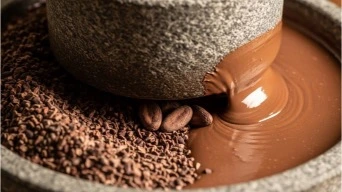
Understanding how chocolate liquor is made helps explain why it’s so important.
1. Cocoa Beans Are Harvested and Fermented
Fresh cocoa beans are removed from cacao pods and fermented. This step develops flavor and reduces bitterness.
2. Beans Are Dried and Roasted
Roasting brings out chocolate’s deep, familiar aroma and flavor.
3. Shells Are Removed
The roasted beans are cracked open to reveal cocoa nibs.
4. Nibs Are Ground
As nibs are ground, natural cocoa butter melts from friction, turning the mixture into a smooth paste—chocolate liquor.
According to the International Cocoa Organization, this stage is the backbone of all chocolate production worldwide.
Why Chocolate Liquor Is the Heart of All Chocolate
Every type of chocolate starts with chocolate liquor.
What changes after that is what gets added—and how much.
- Dark chocolate: chocolate liquor + cocoa butter + sugar
- Milk chocolate: chocolate liquor + milk + sugar
- White chocolate: cocoa butter only (no chocolate liquor at all)
That last point matters a lot.
If you’ve ever wondered why white chocolate doesn’t taste like “real” chocolate, it’s because it contains no chocolate liquor. This difference is explored in more depth in What Is White Chocolate and How Is It Made .
Chocolate Liquor vs Cocoa Powder: What’s the Difference?
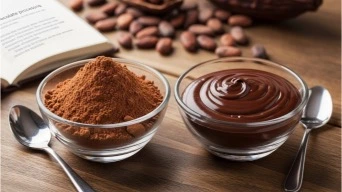
This is a common point of confusion.
Chocolate Liquor
- Contains cocoa solids and cocoa butter
- Rich, intense, full-bodied chocolate flavor
- Used in chocolate bars and baking chocolate
Cocoa Powder
- Made after cocoa butter is pressed out of chocolate liquor
- Dry, powdery texture
- Strong chocolate taste but less richness
If you enjoy baking or making drinks, How to Melt Chocolate Chips Easily explains when each form works best.
Does Chocolate Liquor Affect Sugar Content?
Yes—indirectly.
Chocolate liquor itself contains zero sugar. The sugar content of chocolate depends on how much sugar is added afterward.
This is why:
- Higher cocoa percentage chocolates usually have less sugar
- Dark chocolate tastes more intense and less sweet
If sugar is something you pay attention to, our article Sugar Content in Milk vs Dark Chocolate offers a clear comparison.
Is Chocolate Liquor “Healthier”?
Chocolate liquor isn’t a health food—but it is where cocoa’s natural compounds live.
According to the Harvard T.H. Chan School of Public Health, cocoa contains naturally occurring flavanols that are studied for their potential role in heart and brain health.
Important honesty here:
- Benefits depend on processing
- Sugar and portion size matter
- Chocolate isn’t medicine
If you’re curious about cocoa’s role in wellness, The Benefits of Dark Chocolate for Heart, Brain and Skin on ChocoTalks.com approaches this topic realistically.
Chocolate Liquor in Baking and Cooking
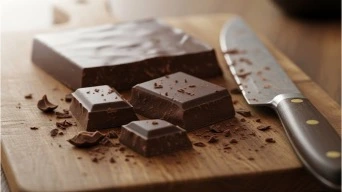
Chocolate liquor is often sold as:
- Unsweetened baking chocolate
- Baking bars with 100% cocoa
It’s intense, bitter, and powerful.
When It Works Best
- Brownies and cakes where sugar is added separately
- Chocolate sauces
- Ganache and truffles
Common Mistake
Using chocolate liquor without balancing it with sugar or fat can make desserts unpleasantly bitter.
If you enjoy learning how chocolate behaves in recipes, Regular Chocolate vs Baking Chocolate is a helpful companion read.
Why Labels Say “Chocolate Liquor” Instead of “Cocoa”
Labeling rules matter.
The FDA recognizes “chocolate liquor” as the legal term for ground cocoa mass in chocolate products.
Seeing chocolate liquor high on an ingredient list often signals:
- Higher cocoa content
- More intense chocolate flavor
- Less reliance on sugar
That doesn’t automatically mean “better,” but it does mean more cocoa-forward.
Common Myths About Chocolate Liquor
“Chocolate liquor contains alcohol”
Nope. None at all.
“It’s only used in dark chocolate”
False. It’s also in milk chocolate—just in smaller amounts.
“More chocolate liquor always means healthier”
Not necessarily. Balance still matters.
People Also Ask About Chocolate Liquor
Is chocolate liquor the same as cacao?
It’s made from cacao beans, but “chocolate liquor” refers to the processed paste.
Can I eat chocolate liquor on its own?
Yes—but it’s very bitter.
Is chocolate liquor vegan?
Yes. It’s purely cocoa.
Why does chocolate liquor taste so strong?
Because it contains all the cocoa solids and natural fats without sugar or milk.
Does white chocolate contain chocolate liquor?
No. That’s why it tastes different.
Is cocoa mass the same thing?
Yes—different name, same ingredient.
Can chocolate liquor melt?
Yes. It melts smoothly due to cocoa butter.
Is it used in hot chocolate?
Usually indirectly, through cocoa powder or chocolate bars.
How Knowing About Chocolate Liquor Changes How You Choose Chocolate
Once you understand chocolate liquor, reading labels becomes easier.
You’ll notice:
- Why some chocolates taste deeper
- Why others taste sweeter
- How cocoa percentage connects to flavor
This knowledge doesn’t make chocolate complicated—it makes it more enjoyable.
Final Thoughts
Chocolate liquor is where chocolate begins.
It’s not trendy.
It’s not flashy.
It doesn’t need marketing.
But without it, chocolate wouldn’t exist.
Understanding chocolate liquor gives you a deeper appreciation for every bite—whether you’re savoring a dark chocolate square, baking a cake, or stirring a cup of hot cocoa.
And if you love chocolate explained with warmth, clarity, and respect for real enjoyment, you’ll always feel at home on ChocoTalks.com, where chocolate is explored—not overcomplicated.
Our Authority Sources
- International Cocoa Organization
Explains cocoa processing and chocolate production stages. - FDA
Official definitions and labeling standards for chocolate ingredients. - Harvard T.H. Chan School of Public Health
Research on cocoa compounds and chocolate context in nutrition. - Cleveland Clinic
Balanced medical perspective on chocolate and health.