
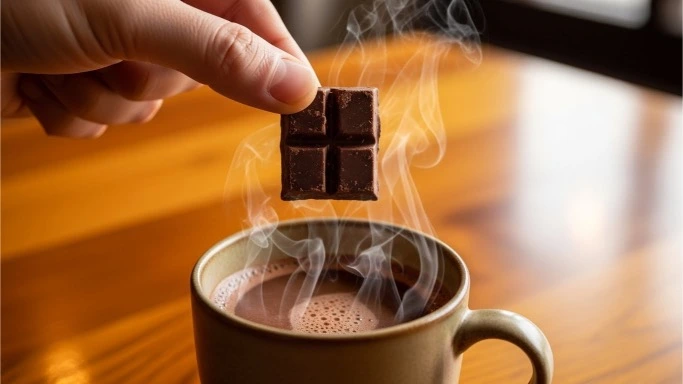
Does chocolate give you energy ?
When that afternoon slump hits, many of us reach for something sweet — and more often than not, it’s chocolate. But does chocolate actually give you energy, or is that just wishful thinking wrapped in a shiny foil?
The truth is surprisingly scientific: chocolate does provide energy, but not in the way you might think. While it doesn’t replace your morning coffee, it contains natural compounds that gently boost alertness, mood, and even physical endurance.
In this post, we’ll explore what’s really behind chocolate’s energy-lifting power — from caffeine and theobromine to sugar and antioxidants — and we’ll see whether dark or milk chocolate delivers the biggest kick.
Before diving in, check out our post Does Hot Chocolate Have Caffeine? The Truth About Your Cozy Cup to understand how chocolate’s caffeine content plays a role in energy and focus.
Chocolate’s Natural Energy Boosters
Chocolate is made from cacao beans, and those little seeds are packed with naturally energizing compounds. Here are the key players:
1. Theobromine — The Calm Energizer
Theobromine is a mild stimulant found in cocoa that’s closely related to caffeine but acts more gently. It boosts blood flow, enhances mood, and provides a steady sense of alertness — without the jitters.
Studies show that theobromine improves mental clarity and reaction time, which explains why you might feel more focused after a few bites of dark chocolate.
A clinical study published in Frontiers in Nutrition found that theobromine enhances cognitive performance and mood when consumed moderately.
2. Caffeine — Small but Powerful
Chocolate does contain caffeine, though in much smaller amounts than coffee or tea. On average:
- Dark chocolate (1 oz / 28 g): ~20 mg caffeine
- Milk chocolate (1 oz / 28 g): ~6 mg caffeine
- White chocolate: 0 mg (since it has no cocoa solids)
That means you’d need about five ounces of dark chocolate to match a single cup of coffee. However, the caffeine-theobromine duo creates a smoother, longer-lasting form of alertness — a gentle lift instead of a crash.
For a detailed comparison, read our post Dark vs. Milk Chocolate: The Surprising Health Differences You Need to Know.
3. Natural Sugars — Quick Energy, Short Duration
When you eat chocolate, your body converts sugar into glucose, the brain’s primary fuel. That’s why a bite can feel instantly revitalizing. But this boost is short-lived — sugar spikes are often followed by crashes, especially if you eat milk chocolate or chocolate bars with added caramel and fillings.
To maintain steady energy, pair chocolate with protein or fiber-rich snacks, like almonds, oats, or Greek yogurt.
Harvard Health Publishing explains how blood sugar levels affect energy and focus.
Why Dark Chocolate Is the Better Energy Choice
Dark chocolate isn’t just more sophisticated in flavor — it’s scientifically better for sustained energy. Here’s why:
- More cocoa solids = more theobromine and antioxidants.
- Less sugar = fewer energy crashes.
- Healthy fats = longer-lasting fullness and stable energy.
For an afternoon pick-me-up, choose chocolate that’s at least 70% cocoa. It gives you a small caffeine boost and a subtle endorphin release — perfect for mental work or creative focus.
See how dark chocolate compares in our article Is Dark Chocolate Really Healthy?.
The Role of Antioxidants in Energy
Chocolate, especially dark chocolate, is rich in flavonoids, plant-based antioxidants that improve circulation and oxygen delivery to the brain and muscles.
Better circulation means your cells receive nutrients more efficiently — translating into real, measurable energy. Flavonoids also reduce inflammation and enhance focus, making chocolate a mental pick-me-up as much as a physical one.
According to Cleveland Clinic, flavonoids in chocolate help support heart and brain health, improving both energy and cognition.
How Chocolate Affects Your Brain
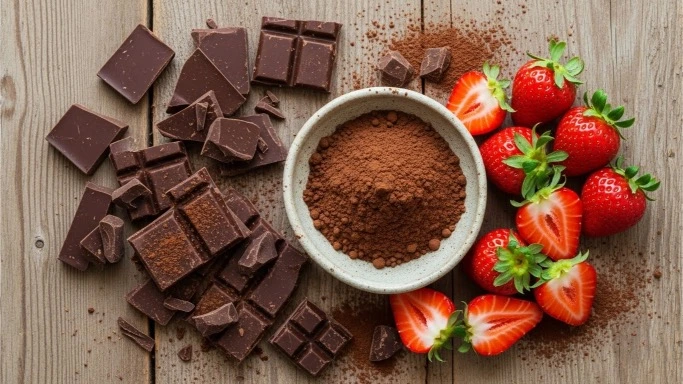
When you eat chocolate, your brain releases endorphins, dopamine, and serotonin — the same “feel-good” chemicals associated with happiness and motivation. These neurotransmitters don’t just make you feel good; they increase alertness and productivity.
That’s why a square of chocolate during a study session or work break can genuinely enhance focus. The combination of caffeine, sugar, and mood-boosting compounds delivers a psychological and physical lift.
For another brain-boosting read, explore our 10 Surprising Chocolate Facts You Didn’t Know to see what makes this treat so remarkable.
The Difference Between Feeling Energized and Feeling Awake
Many people confuse energy with alertness. Coffee jolts you awake through caffeine’s stimulation, while chocolate works in subtler ways — it stabilizes mood, gently raises heart rate, and delivers slow, consistent fuel.
That’s why chocolate’s energy is often described as calm focus. Instead of the spike-and-crash cycle of coffee, chocolate provides a steady curve — ideal for work, study, or post-lunch slumps.
Fun fact: In the 18th century, explorers and soldiers carried blocks of dark chocolate for sustained energy on expeditions— it was valued as both a morale booster and a compact source of calories.
Discover how ancient traditions viewed chocolate’s power in 20 Chocolate Fun Facts That Will Surprise You.
Does Chocolate Help Physical Performance?
Athletes sometimes eat dark chocolate before workouts — and with good reason. Its flavonoids may enhance oxygen efficiency in muscles, helping endurance and recovery.
A small study published in The Journal of the International Society of Sports Nutrition found that participants who consumed dark chocolate before cycling used oxygen more effectively and felt less fatigued.
So yes, a small square of dark chocolate before a run or yoga session can be your sweet secret weapon.
For quick, energizing ideas, see our Bone Broth Hot Chocolate: The Surprising Superfood Drink You’ll Actually Love.
The Downsides: Sugar and Overconsumption
While chocolate can support your energy, moderation matters. Too much sugar-laden chocolate (like candy bars or flavored lattes) can lead to the opposite — energy crashes, dehydration, and mood swings.
Stick to smaller portions (1–2 squares) of dark chocolate and pair them with whole foods or drinks like green tea or milk for balance.
Medical News Today warns about the effects of excess sugar on energy and focus.
To learn how to store chocolate properly and maintain its freshness, read How to Store Chocolate to Keep It Fresh: Tips from Experts.
How Much Chocolate Is Healthy Per Day?
Experts generally recommend 1 to 1.5 ounces (30–40 grams) of dark chocolate per day. That’s about two small squares — enough to enjoy the benefits without the sugar overload.
Choosing high-quality chocolate with at least 70% cocoa ensures you get the good stuff: antioxidants, minerals (like magnesium and iron), and natural stimulants in healthy balance.
If you love mindful chocolate enjoyment, visit Sweet Freedom: How to Reduce Sugar and Unlock Better Health for science-backed tips from our health site partner.
Pairing Chocolate for Maximum Energy
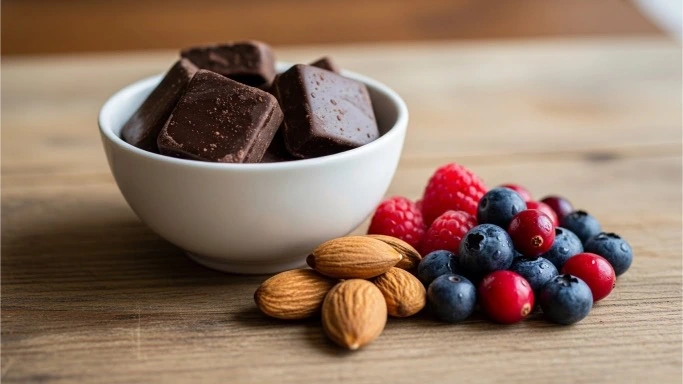
To avoid sugar crashes and maximize energy, try these combinations:
Dark chocolate + almonds: Protein and healthy fats stabilize blood sugar.
- Chocolate + oats: Slow carbs for lasting fuel.
- Berries + Chocolate : Antioxidant synergy and natural sweetness.
- Chocolate + espresso: For a more pronounced alertness effect.
These pairings give you the best of both worlds — the pleasure of chocolate and the nourishment your body craves.
Beyond the Buzz: Chocolate and Mental Well-Being
Sometimes, “energy” isn’t about physical stamina — it’s about emotional vitality. Chocolate provides that through its rich sensory experience and chemical composition.
It’s no coincidence that eating chocolate often makes people feel comforted or even inspired. Its compounds interact with the brain’s reward system, releasing serotonin and phenylethylamine (the “love chemical”). These subtle effects can lift mood and motivation, helping you stay focused longer.
For more emotional insight, the wellness site AllMentalIllness.com explores how emotions and behavior intertwine — a fascinating complement to chocolate’s psychological impact.
The Takeaway
So, does chocolate really give you energy?
Absolutely — just not the explosive caffeine rush of coffee or energy drinks. Instead, chocolate provides a gentle, sustained lift through its unique blend of natural stimulants, antioxidants, and mood-enhancing compounds.
Dark chocolate, in particular, stands out for offering the perfect balance: steady focus, improved circulation, and emotional satisfaction — all in a small, decadent bite.
So the next time you need a little boost, skip the energy bar and savor a square of real chocolate. It’s science and pleasure working hand in hand.Discover more chocolate wisdom on ChocoTalks.com — where every bite tells a story.
Our Authority Sources
- Frontiers – The relevance of theobromine for the beneficial effects of cocoa consumption
- Harvard Medical School – How sugar affects energy and focus
- Cleveland Clinic – What You Need To Know About Flavonoids
- Medical News Today – What is the impact of eating too much sugar
- Link Springer Nature – Dark chocolate and oxygen