

Few questions spark as much curiosity among chocolate lovers as this one: does chocolate help mood?
Maybe you’ve noticed that a piece of chocolate seems to lift your spirits after a long day. Maybe you share that warm, comforting feeling with friends. But is this real science, or just a cozy myth?
In this article, we break down why chocolate can influence your mood, what the research says (and doesn’t say), how it works in your body and brain, and smart ways to enjoy chocolate without overindulging.
By the end, you’ll understand when chocolate can genuinely help your mood — and when it’s just a sugar rush in disguise.
The Basics: What Happens in Your Brain When You Eat Chocolate
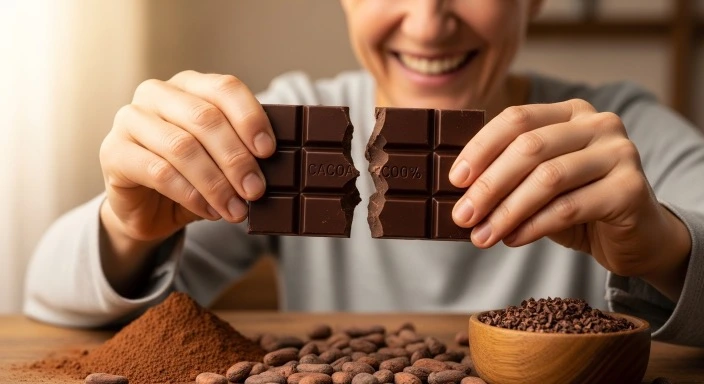
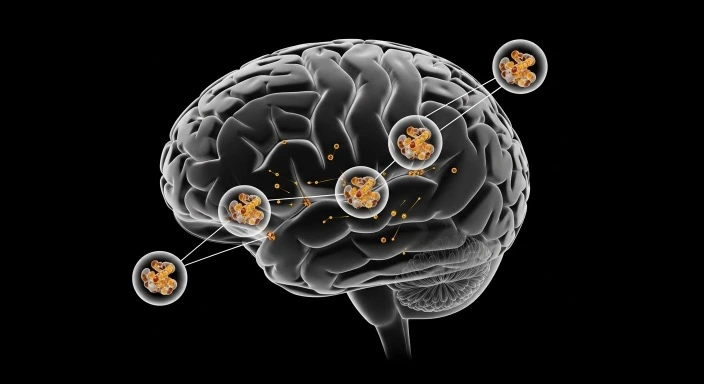
When you eat chocolate, several things happen in your brain and body that can temporarily affect how you feel:
- Chocolate contains compounds that may trigger the release of endorphins — chemicals associated with pleasure. (Research Outreach)
- It can stimulate production of serotonin and dopamine, neurotransmitters linked to happiness and reward.
- Certain ingredients like caffeine and theobromine have mild stimulant effects that can increase alertness, which sometimes feels like a mood lift.
This chemical reaction is one reason eating a small bit of chocolate might feel good — especially after stress or when you want comfort.
But does this translate into actual mood improvement? Let’s look deeper.
Chocolate and Mood: What the Research Says
Short-Term Mood Boosts
There is evidence that eating chocolate can lead to short-term mood improvements, especially in negative emotions:
- Studies have shown that eating a palatable piece of chocolate can reduce negative moods compared with eating nothing. (PubMed)
- One controlled trial found that consuming high-cocoa dark chocolate (85% cocoa) daily reduced negative mood states in healthy adults after a few weeks, possibly linked to changes in gut microbiota. (PubMed)
These findings suggest that chocolate — particularly dark chocolate with high cocoa content — may help ease feelings of sadness or stress in the short term.
But Long-Term Evidence Is Mixed
However, research isn’t always conclusive:
- Not all studies show clear behavioral benefits — some only show changes in brain activation without measurable mood improvement. (PubMed)
- The positive effects may depend on cocoa flavonoids and the quality of chocolate rather than sugar content. (Harvard Public Health)
In other words: chocolate can help mood in specific situations and for a short time, but it’s not a guaranteed long-term fix for emotional health.
Why Dark Chocolate Stands Out
Not all chocolate is created equal when it comes to mood effects.
Studies indicate that dark chocolate, especially with a higher percentage of cocoa (70–85%), offers the most potential benefits:
- Higher cocoa content means more flavanols and antioxidants, which may influence brain blood flow and inflammatory responses. (Harvard Public Health)
- One study specifically found mood improvements with 85% cocoa dark chocolate but not with 70%. (PubMed)
That doesn’t mean white chocolate or milk chocolate has zero impact — but because they have less cocoa and more sugar and fat, they are less likely to trigger the same chemical pathways that support mood enhancement.
Chocolate and the Gut-Brain Connection (Why It’s More Than Just a Sugar Rush)
One of the most fascinating discoveries in nutrition science over the last decade is the gut-brain axis — the two-way communication system between your digestive system and your brain.
And this is where chocolate becomes especially interesting.
What Is the Gut-Brain Axis?
Your gut and brain are constantly communicating through:
- The vagus nerve
- Hormonal signaling
- Immune system pathways
- Neurotransmitter production
In fact, about 90% of serotonin (a key mood-related neurotransmitter) is produced in the gut — not the brain.
That means what you eat can directly influence how you feel.
How Cocoa Interacts With Gut Bacteria
Dark chocolate — especially high-cocoa varieties (70–85% and above) — contains flavanols, which are plant compounds with antioxidant properties.
These flavanols are not fully absorbed in the small intestine. Instead, they travel to the colon, where they are metabolized by gut bacteria.
Research suggests that:
- Cocoa flavanols can increase beneficial bacteria such as Lactobacillus and Bifidobacterium.
- They may reduce certain less desirable bacterial strains.
- These microbial changes can influence inflammation and stress responses.
Research suggests also that consuming 85% cocoa dark chocolate daily for three weeks improved negative mood states in healthy adults, possibly linked to changes in gut microbial diversity.
This suggests that chocolate’s mood effect may not just be immediate pleasure — it may involve longer-term biological shifts.
Why the Microbiome Affects Mood
Your gut bacteria influence mood through several mechanisms:
- Neurotransmitter production
Certain gut bacteria help produce serotonin and gamma-aminobutyric acid (GABA), both linked to calmness and emotional balance. - Inflammation regulation
Chronic inflammation is associated with depression and anxiety. Flavanols have anti-inflammatory properties, which may indirectly support emotional stability. - Stress hormone modulation
Some studies show dark chocolate consumption may reduce cortisol levels (a stress hormone) in certain individuals.
In simple terms:
Healthy gut bacteria can create a more stable internal environment — and that may support better mood regulation.
Does This Mean Chocolate Is a Probiotic?
No — and this is important.
Chocolate is not a probiotic supplement.
The gut benefits appear:
- Mostly with high-cocoa dark chocolate
- When consumed in moderate amounts
- As part of an overall balanced diet
Milk chocolate or highly processed chocolate with lots of sugar may not provide the same benefits — and excessive sugar intake can negatively affect gut health.
The Pleasure of Chocolate Isn’t Just Chemistry
It’s important to remember that chocolate’s effects on mood can also be psychological:
- Pleasure associated with taste, texture, and smell can make you feel comforted and relaxed — even independent of chemical effects.
- Emotional memories tied to chocolate (like celebrations or cozy moments) can reinforce positive feelings.
Scientifically, this aligns with research showing that palatable foods in general can temporarily improve mood due to brain reward circuits. (PubMed)
How Much and What Kind of Chocolate Helps Mood Most?
Not all chocolate is equal, and more isn’t always better:
Best Choices for Mood Support
| Type of Chocolate | Why It May Help Mood |
| 85%+ Dark Chocolate | High cocoa, rich in flavonoids linked to positive mood effects |
| 70–85% Dark Chocolate | Moderate cocoa content; still beneficial but less potent |
| Milk Chocolate | Less cocoa, more sugar; milder mood impact despite pleasant taste |
| White Chocolate | No cocoa solids; mood effect mostly from sugar and psychological feelings |
Best tip: A small serving (20–30g) of dark chocolate with high cocoa content is enough to potentially influence mood without excess sugar or calories.
Smart Ways to Enjoy Chocolate for Your Mood
To get the positive aspects of chocolate without overindulging:
Eat Mindfully
Notice flavor and texture instead of scarfing large amounts — enjoyment matters.
Balance with Nutrients
Pair dark chocolate with nuts or fruit for fiber and slow-releasing energy.
Avoid Overreliance
Chocolate can complement mood support but isn’t a substitute for healthy lifestyle habits like sleep, social connections, and stress management.
Common Questions About Chocolate and Mood
Does chocolate release “happy chemicals”?
Yes — eating chocolate can trigger release of endorphins, serotonin, and dopamine, which are associated with pleasure and reward. (Research Outreach)
Can chocolate help long-term mental health?
Research is mixed — there’s stronger evidence for short-term mood boosts than long-term therapeutic effects. (PubMed)
Is dark chocolate better than milk chocolate for mood?
Yes — higher cocoa content means more flavonoids and mood-related compounds. (PubMed)
Can chocolate reduce stress?
Some studies suggest dark chocolate may lower stress hormone levels and support feelings of calm. (Harvard Public Health)
Does chocolate act through the gut?
Emerging research indicates changes in gut bacteria may partly explain chocolate’s mood effects. (PubMed)

The Bottom Line
So does chocolate help mood? The answer is yes, but with nuance.
Enjoying chocolate — especially dark chocolate with higher cocoa content — can trigger brain chemicals and temporary mood lifts. There’s also intriguing evidence that cocoa compounds may influence the gut-brain axis and stress responses. But chocolate isn’t a fix for depression or long-term emotional issues on its own.
In the end, chocolate can be a pleasant, enjoyable piece of the bigger picture in supporting mood — especially when consumed mindfully and as part of a balanced life.
Have you noticed chocolate lifting your mood — or do you think it’s just psychological comfort? Tell us in the comments!
You will also like to read:
- Is Hot Chocolate Good for Health?
- What is Cocoa Butter? Benefits & Uses for Better Health
- Is Dark Chocolate Really Healthy?
Our Authority Sources:
- PubMed— research on chocolate and mood connections
- Harvard Public Health — cocoa health commentary
- Psych Central— chocolate and mood disorders
- ScienceDirect studies on chocolate and mood effects