
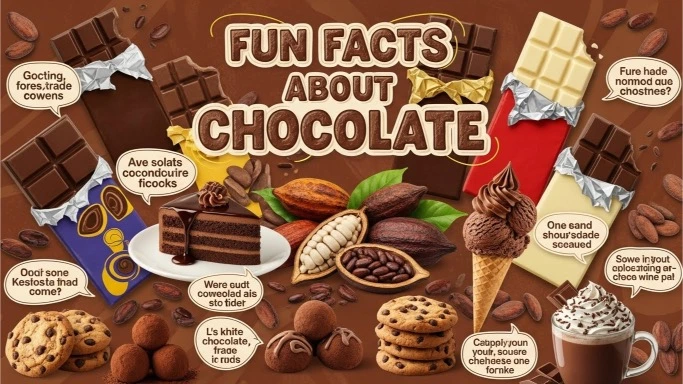
Chocolate already has a special place in most of our lives.
It comforts us. It celebrates with us. It quietly makes bad days better.
But once you learn a few fun facts about chocolate, something interesting happens—you stop seeing it as just a sweet treat and start appreciating it as a food with history, science, and personality.
This article is a deep (but easy and fun) dive into the surprising, strange, and delightful facts about chocolate that will absolutely make you love it even more. Whether you’re a casual chocolate fan or someone who reads labels and cocoa percentages, there’s something here for you.
Chocolate Was Once a Drink, Not a Bar
One of the most fascinating fun facts about chocolate is that it didn’t start out solid.
The earliest chocolate was consumed as a bitter drink, not candy. Ancient civilizations in Central America mixed ground cacao beans with water, spices, and sometimes chili peppers.
It was:
- Bitter
- Frothy
- Not sweet at all
Sugar didn’t enter the picture until cacao reached Europe centuries later.
Historians referenced by Smithsonian Institution note that chocolate was originally valued more for energy and ritual than indulgence.
Chocolate Was Once Worth More Than Gold
This one sounds exaggerated—but it’s true.
Cacao beans were once used as currency. People could literally buy goods with chocolate.
Records show cacao beans were used to pay for:
- Food
- Clothing
- Tools
Imagine paying rent in chocolate today.
This fact alone explains why chocolate has always carried a sense of value and importance far beyond dessert.
White Chocolate Isn’t Technically Chocolate
This is one of those fun facts about chocolate that surprises people every time.
White chocolate contains:
- Cocoa butter
- Sugar
- Milk solids
But it contains no cocoa solids, which means:
- No chocolate flavor compounds
- No cocoa antioxidants
That’s why white chocolate tastes sweet and creamy but not “chocolatey.”
If you’re curious how this affects nutrition, Milk Chocolate vs Dark Chocolate Nutrition explains the differences clearly.
Chocolate Melts at Body Temperature (On Purpose)
Ever noticed how chocolate melts perfectly in your mouth but not in your hand—at least not immediately?
That’s because cocoa butter melts at around 93–98°F (34–37°C), which is close to body temperature.
This is why chocolate:
- Feels smooth and luxurious
- Melts evenly
- Doesn’t feel waxy when high quality
If you enjoy the science behind this, What Is Cocoa Butter? Benefits & Uses for Better Health on ChocoTalks.com explains how cocoa butter makes chocolate behave the way it does.
Dark Chocolate Is One of the Most Antioxidant-Rich Foods
Here’s a fun fact that also happens to be useful.
High-quality dark chocolate contains more antioxidants than many fruits, including blueberries and green tea—by weight.
The antioxidants come from cacao flavanols, which support:
- Heart health
- Blood flow
- Cellular protection
According to Harvard T.H. Chan School of Public Health, cocoa flavanols are responsible for many of dark chocolate’s health benefits.
Of course, portion size still matters—but the potential is real.
Chocolate Can Gently Boost Your Mood
Chocolate doesn’t just feel comforting—it actually contains compounds linked to mood.
Chocolate naturally includes:
- Theobromine
- Small amounts of caffeine
- Phenylethylamine (linked to feelings of pleasure)
Together, these can create a mild sense of alertness and well-being.
If you’re sensitive to stimulants, Does Chocolate Have Caffeine? explains which types contain more and how to enjoy chocolate without sleep disruption.
The World’s Largest Chocolate Bar Weighed Over 12,000 Pounds
Some fun facts about chocolate are just plain fun.
The largest chocolate bar ever made weighed over 12,000 pounds (5,400 kg) and was created to celebrate chocolate craftsmanship and creativity.
That’s more chocolate than most people will eat in several lifetimes.
The event was documented by global food and record organizations and shows just how beloved chocolate is worldwide.
Chocolate Flavor Depends More on Fermentation Than Sugar
Here’s a behind-the-scenes fact most people don’t know.
Before cacao beans are roasted or turned into chocolate, they’re fermented. This process develops the flavor.
Fermentation affects:
- Fruitiness
- Bitterness
- Acidity
- Complexity
That’s why two dark chocolate bars with the same cocoa percentage can taste completely different.
Experts from the International Cocoa Organization emphasize fermentation as one of the most important steps in chocolate quality.
Chocolate Is One of the Most Complex Foods on Earth
Chocolate contains over 600 flavor compounds.
For comparison:
- Wine has about 200
- Coffee has around 800
This is why chocolate tasting can reveal notes like:
- Fruit
- Nuts
- Caramel
- Floral tones
This complexity is also why expensive chocolates sometimes taste dramatically different from cheaper ones. If you’re curious, Are Expensive Chocolates Really Better? What the Experts Say on ChocoTalks.com explores this in detail.
Chocolate Can Be Good or Bad—It Depends on the Type
Here’s an important reality-based fun fact.
Chocolate itself isn’t the issue. The way it’s made is.
Chocolate becomes less helpful when:
- Sugar is high
- Cocoa content is low
- Portion sizes are large
This balance is explained clearly in our article: Reasons Why Chocolate Is Bad for You , which takes a realistic, non-judgmental look at chocolate habits.
Sugar-Free Chocolate Isn’t Automatically Healthier
This surprises a lot of people.
Sugar-free chocolate can still:
- Be calorie-dense
- Contain digestive-irritating sweeteners
- Taste unpleasant if poorly made
Quality matters more than the “sugar-free” label.
If you’re exploring alternatives, check our article about Best Sugar-Free Chocolate that helps you avoid common traps.
Chocolate Is One of the Most Gifted Foods in the World
Chocolate isn’t just food—it’s communication.
People gift chocolate to say:
- Thank you
- I love you
- I’m thinking of you
- Congratulations
Psychologists often point out that food gifting strengthens emotional bonds, and chocolate sits at the top of that list worldwide.
That emotional role is part of why chocolate has lasted across cultures for centuries.
Chocolate Was Once Considered Medicine

Before modern nutrition science, chocolate was prescribed for:
- Fatigue
- Digestive issues
- Low energy
Doctors believed it restored strength and improved mood.
While we wouldn’t prescribe chocolate today the same way, research-backed benefits—especially from dark chocolate—do support why it earned that reputation.
The Cleveland Clinic still acknowledges cocoa’s unique compounds when discussing heart and brain health.
Fun Facts About Chocolate and Kids
Chocolate isn’t just for adults.
Kids love chocolate because:
- It’s sweet
- It melts smoothly
- It’s associated with celebration
Moderation is key, but chocolate can absolutely be part of joyful family moments—especially when paired with mindful portions and quality ingredients.
Short FAQ: Fun Facts About Chocolate
Is chocolate really addictive?
No. It’s enjoyable, but it doesn’t meet addiction criteria.
Does dark chocolate always taste bitter?
Not when it’s well made and balanced.
Is chocolate good for your heart?
Dark chocolate can be, in moderation.
Why does chocolate sometimes look white?
That’s called “bloom” and it’s usually harmless.
Final Thoughts

Learning these fun facts about chocolate changes how you experience it.
Chocolate isn’t just something you eat quickly. It’s something with history, science, emotion, and craft behind it.
The next time you unwrap a piece of chocolate, you might:
- Notice the snap
- Pay attention to how it melts
- Taste more than just sweetness
And if you enjoy discovering chocolate beyond the surface—without guilt or hype—you’ll find plenty more thoughtful, engaging reads waiting for you on ChocoTalks.com, where every bite really does tell a story.