
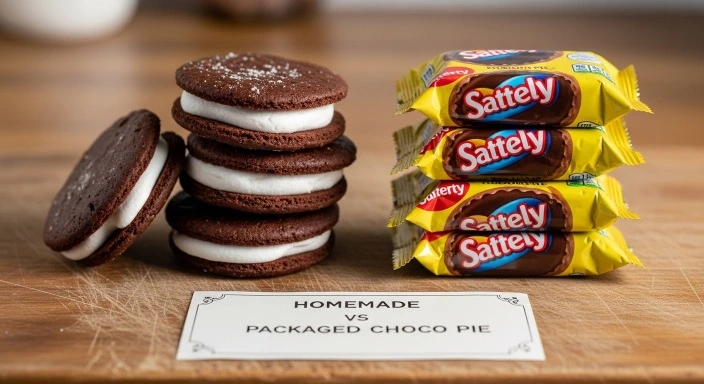
Homemade vs packaged choco pie
Few chocolate treats spark the same kind of nostalgia as a choco pie.
Soft chocolate cake. A fluffy marshmallow center. A smooth chocolate coating that cracks ever so slightly when you bite in.
For many of us, choco pie was a lunchbox treat, a corner-store reward, or a quiet comfort snack after a long day. And thanks to packaged versions, it’s always been easy to grab one off the shelf.
But once you’ve tasted a homemade choco pie, the question naturally comes up:
Is homemade choco pie really better — or is it just nostalgia talking?
The honest answer isn’t black-and-white. Both homemade and packaged choco pies serve a purpose. They shine in different situations, for different reasons. Let’s break it down clearly, without hype, and help you decide which one truly fits your taste, time, and expectations.
What People Really Mean When They Ask This Question
When someone searches “homemade vs packaged choco pie”, they’re rarely just asking about baking.
They’re really asking:
- Does homemade taste better?
- Are packaged choco pies lower quality?
- Is it worth the effort to make them?
- What am I gaining — or giving up?
This isn’t just about ingredients.
It’s about experience, flavor memory, convenience, and satisfaction.
Ingredient Quality: Where the Difference Begins
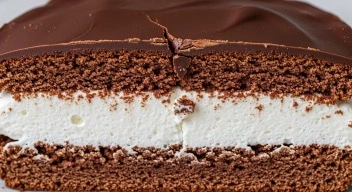
Homemade Choco Pie
When you make choco pie at home, you control everything:
- The cocoa powder
- The type of chocolate coating
- The sweetness level
- The marshmallow texture
- The cake softness
You can use:
- High-quality Dutch-process cocoa powder
- Real dark chocolate instead of compound coating
- Fresh eggs and butter
- No preservatives
For example, if you prefer a deeper chocolate flavor, many bakers use a rich Dutch-process cocoa like Dutch-process cocoa powder for darker cakes and smoother flavor.
And for coating, you can melt real chocolate such as high-quality dark baking chocolate, which creates a softer, more indulgent shell than many packaged versions. If you’d like the full step-by-step process, our guide on How to Make Choco Pie at Home walks through it without overcomplicating things.
Packaged Choco Pie
Packaged choco pies are engineered for:
- Shelf life
- Transport
- Consistency
- Mass appeal
That often means:
- Preservatives to prevent spoilage
- Stabilizers to keep texture uniform
- Sweeter profiles that appeal to a broad audience
This doesn’t make them “bad.” It simply means the goal is reliability, not character.
When you bake choco pie from scratch, you control every ingredient — from the cocoa to the marshmallow filling. If you’re curious about the full process, you can follow our How to Make Choco Pie at Home guide step by step.
Taste & Texture: Where Most People Notice the Gap
Flavor Comparison
Homemade choco pie tends to have:
- Clear chocolate flavor
- Balanced sweetness
- Distinct contrast between cake and marshmallow
- A richer cocoa aroma
Packaged choco pie often:
- Tastes sweeter
- Has a more blended chocolate note
- Feels familiar rather than layered
Many describe packaged versions as pleasant.
Homemade versions are often described as memorable.
Texture Comparison
Homemade
- Tender cake crumb
- Fluffy, airy marshmallow
- Chocolate coating that melts naturally
Packaged
- Uniform texture
- Slightly spongier cake
- Coating designed to resist melting
If you’ve ever bitten into homemade choco pie coated with real tempered chocolate using tools like a digital kitchen thermometer for chocolate tempering, you know the snap feels different — smoother and more delicate.
Neither version is wrong.
But they are different experiences.
Quick Comparison Table
| Feature | Homemade Choco Pie | Packaged Choco Pie |
| Cake Texture | Soft, tender | Uniform, slightly spongy |
| Chocolate Flavor | Deeper, adjustable | Mild, consistent |
| Sweetness | Balanced | Sweeter |
| Freshness | Best same-day | Long shelf life |
| Convenience | Requires effort | Ready to eat |
| Ingredient Control | Full control | Fixed formula |
Chocolate Coating: Real Chocolate vs Engineered Shell
One of the biggest differences is the coating.
Homemade Coating
Usually made with:
- Real dark or semi-sweet chocolate
- Coconut oil or butter for shine
- Tempered for smooth snap
Using quality chocolate like premium baking chocolate bars can dramatically elevate the final taste.
The result?
- Softer melt
- Cleaner cocoa finish
- Less waxy mouthfeel
Packaged Coating
Often made with:
- Compound chocolate
- Stabilizers
- Fats that resist melting
Designed to:
- Survive shipping
- Handle temperature fluctuations
- Maintain uniformity
It’s practical — but less nuanced.
A Simple Taste-Test Framework You Can Try at Home
If you’re still unsure, the best judge is always your own taste.
This simple taste-test framework helps you compare both versions fairly.
Step 1: Keep Conditions the Same
- Let both choco pies reach room temperature
- Avoid drinks or toppings while tasting
- Take small bites and pause between them
Step 2: Use the 5-Sense Choco Pie Test
1. Look
Is the coating glossy or dull?
Does the pie look inviting or uniform?
2. Smell
Can you smell cocoa or chocolate right away?
Freshness often shows here.
3. First Bite
Is the cake tender?
Does the marshmallow feel light or sticky?
4. Texture
Does the coating melt smoothly or crack stiffly?
Does the cake feel soft or spongy?
5. Aftertaste
Does chocolate linger pleasantly — or disappear quickly?
This last step is where homemade versions often win.
Quick Comparison Table (Insert after “Taste & Texture” section)
| Feature | Homemade Choco Pie | Packaged Choco Pie |
| Cake Texture | Soft, tender | Uniform, slightly spongy |
| Chocolate Flavor | Deeper, adjustable | Mild, consistent |
| Sweetness | Balanced | Sweeter |
| Freshness | Best same-day | Long shelf life |
| Convenience | Requires time | Ready to eat |
Chocolate Coating: Real Chocolate vs Engineered Shell
Homemade coatings usually use:
- Dark or semi-sweet chocolate
- Butter or coconut oil for shine
Packaged coatings are often:
- Chocolate-flavored compound
- Designed to resist melting and cracking
This difference affects:
- Mouthfeel
- Aroma
- Aftertaste
It also explains why homemade choco pies feel more indulgent.
Freshness & Aroma: The Emotional Factor
This is where homemade choco pie has an emotional edge.
A freshly made choco pie:
- Smells like cocoa and cake
- Feels special and intentional
- Turns dessert into an experience
Packaged versions:
- Smell neutral
- Feel familiar and convenient
Neither is wrong — they serve different moments.
Anyone who has baked their own choco pie knows the difference a fresh kitchen aroma makes — especially when following a recipe like our How to Make Choco Pie at Home, where timing and chocolate quality matter.
Convenience vs Experience
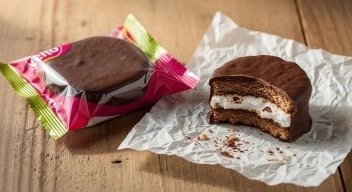
When Packaged Choco Pie Makes Sense
- Busy days
- Lunchboxes
- Travel snacks
- When baking isn’t practical
Packaged choco pies are reliable, accessible, and always there.
When Homemade Is Worth It
- Special occasions
- Baking for people you care about
- When chocolate quality matters
- When the process is part of the joy
Homemade isn’t just about eating — it’s about making.
Nutrition & Ingredient Transparency (Without Hype)
This isn’t about calling one “healthy.”
But:
- Homemade allows ingredient control
- Packaged versions contain more stabilizers and additives
For readers interested in ingredient awareness — something supported by food-science and nutrition sources like Harvard T.H. Chan School of Public Health — homemade offers clarity.
Cost: Is Homemade Actually Cheaper?
Not always.
- Packaged: cheaper upfront
- Homemade: better value per pie when quality matters
Homemade costs more once, but delivers:
- Larger portions
- Better chocolate
- Higher satisfaction
Common Myths About Homemade vs Packaged
“Packaged choco pies are low quality.”
Not necessarily — they’re just designed differently.
“Homemade always tastes better.”
Only if the recipe is good.
“Packaged choco pies are unsafe.”
They meet food safety standards.
So… Is Homemade Really Better?
Here’s the honest answer:
Homemade choco pie is better when flavor, texture, and experience matter.
Packaged choco pie is better when convenience and consistency matter.
They aren’t competitors — they’re options for different days.If flavor and experience matter more to you than convenience, making your own is worth trying — and our How to Make Choco Pie at Home recipe walks you through it without overcomplicating things.
How to Decide Which One You’ll Enjoy More
Ask yourself:
- Do I want comfort or convenience?
- Do I care about chocolate quality today?
- Am I sharing this or eating it quickly?
- Do I want an experience or a solution?
Your answer can change — and that’s okay.
FAQ: Homemade vs Packaged Choco Pie
Does homemade choco pie last as long?
No. It’s best within 2–3 days.
Why do packaged choco pies taste sweeter?
They’re designed for broad appeal and shelf stability.
Can homemade choco pies be frozen?
Yes — especially before coating.
Is packaged choco pie safe to eat?
Yes, it follows food safety regulations.
Which one has better chocolate flavor?
Homemade, especially with real cocoa or dark chocolate.
A Final Thought for Chocolate Lovers
Choco pie isn’t about perfection.
It’s about comfort.
Some days, comfort comes from opening a familiar package.
Other days, it comes from melting chocolate and making something by hand.
Knowing the difference helps you choose — not judge.
Our Authority Sources
- International Cocoa Organization (ICCO) – Cocoa quality and chocolate ingredient standards
- FDA (U.S. Food & Drug Administration) – Packaged baked goods regulations and labeling
- Harvard T.H. Chan School of Public Health – Ingredient transparency and food processing context