
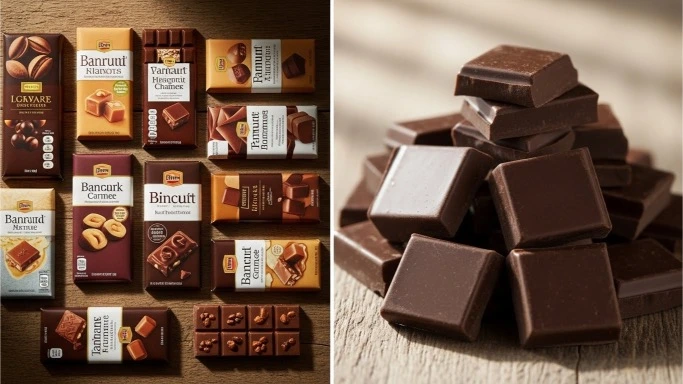
If you’ve ever stood in the chocolate aisle wondering whether you can bake with the chocolate bar you snack on—or why a recipe insists on baking chocolate instead—you’re not alone. The confusion between regular chocolate vs baking chocolate is one of the most common questions home bakers ask, and for good reason.
They look similar.
They melt the same way.
But they behave very differently once heat, sugar, and recipes get involved.
This guide explains everything you need to know in a clear, practical way—so you can choose the right chocolate for the job, avoid recipe disasters, and bake with confidence. No hype. No guilt. Just real kitchen knowledge.
What Is Regular Chocolate?
Regular chocolate is chocolate made primarily for eating on its own.
You’ll find it as:
- Chocolate bars
- Chocolate chips
- Candy-style chocolate
What Regular Chocolate Contains
Most regular chocolate includes:
- Cocoa solids
- Cocoa butter
- Sugar
- Sometimes milk solids
- Emulsifiers like soy lecithin
It’s designed to taste good straight out of the wrapper—balanced sweetness, smooth texture, and familiar flavor.
That sweetness is exactly why regular chocolate can be tricky in baking.
What Is Baking Chocolate?
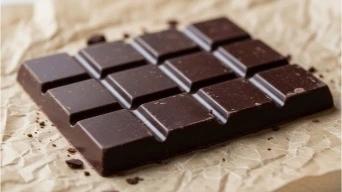
Baking chocolate (sometimes called unsweetened chocolate or chocolate liquor) is made specifically for cooking and baking.
What Baking Chocolate Contains
Typically:
- Cocoa solids
- Cocoa butter
- No sugar (or very little)
It’s intense, bitter, and not meant to be eaten on its own. Think of it as a base ingredient, like flour or butter—not a finished treat.
Regular Chocolate vs Baking Chocolate: The Core Differences
1. Sugar Content
This is the biggest difference.
- Regular chocolate: Already sweetened
- Baking chocolate: Unsweetened
When you swap one for the other without adjusting sugar, recipes break down fast.
2. Flavor Control
Baking chocolate lets you:
- Control sweetness
- Balance bitterness
- Adjust intensity
Regular chocolate locks in sweetness before you even start.
3. Behavior in Heat
Regular chocolate often contains stabilizers designed to help it:
- Hold shape (especially chips)
- Resist melting
Baking chocolate melts more smoothly and evenly.
If melting chocolate has ever gone wrong for you, How to Melt Chocolate Chips Easily explains how additives affect melting and texture.
4. Cocoa Percentage Transparency
Baking chocolate is usually close to 100% cocoa.
Regular chocolate ranges widely:
- Milk chocolate: ~30–40%
- Dark chocolate: ~50–85%
This matters when recipes rely on cocoa solids for structure.
Which Chocolate Is Better for Baking?
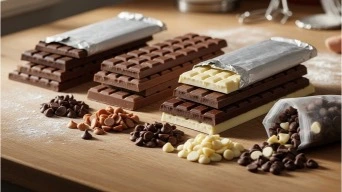
The honest answer: it depends on the recipe.
Use Baking Chocolate When:
- The recipe specifies “unsweetened chocolate”
- You want full control over sweetness
- You’re making brownies, ganache, or rich cakes
Use Regular Chocolate When:
- The recipe calls for chocolate chips
- You want sweetness built in
- You’re baking muffins, cookies, or quick breads
For example, How to Make Banana Chocolate Chip Muffin Recipe works beautifully with regular chocolate chips because the recipe is balanced around them.
Can You Substitute Regular Chocolate for Baking Chocolate?
Yes—but you must adjust sugar.
Simple Substitution Rule
For every 1 ounce of unsweetened baking chocolate, replace with:
- 1 ounce dark chocolate (70% or higher)
- Reduce sugar in the recipe by 1 tablespoon
This isn’t perfect, but it’s workable in most home recipes.
According to FDA, ingredient substitutions change nutritional and structural outcomes—so expect slight differences.
What About Chocolate Chips?
Chocolate chips deserve their own category.
They’re designed to:
- Hold shape during baking
- Melt slowly
- Stay distinct
This is why cookies have visible chocolate pockets.
But that same quality makes them less ideal for sauces, brownies, and bars.
If you’re making chocolate bars from scratch, How to Make Chocolate Bars at Home explains why bar chocolate or baking chocolate works better than chips.
Milk Chocolate, Dark Chocolate, White Chocolate: Where Do They Fit?
Not all “regular chocolate” behaves the same.
Milk Chocolate
- Sweeter
- Softer
- Burns more easily
Dark Chocolate
- More cocoa solids
- Less sugar
- More versatile
White Chocolate
- No cocoa solids
- Mostly cocoa butter, sugar, milk
If you want a deeper breakdown, White Chocolate vs Milk Chocolate: Which Is Better for Baking? explains why white chocolate behaves so differently in the oven.
Texture, Structure, and Why Recipes Care
Chocolate isn’t just flavor—it’s structure.
Cocoa solids:
- Absorb moisture
- Add density
- Affect crumb
Sugar:
- Retains moisture
- Affects browning
- Impacts tenderness
When you swap chocolate types, you’re changing chemistry, not just taste.
According to International Cocoa Organization, cocoa composition plays a key role in how chocolate behaves during heating and cooling.
Is One Healthier Than the Other?
From a nutrition standpoint:
- Baking chocolate is higher in cocoa compounds
- Regular chocolate is higher in sugar
But baking chocolate isn’t eaten alone—it’s combined with sugar later.
If health matters to you, dark chocolate-based recipes offer the best balance. Dark Chocolate Benefits for Women You Need to Know on ChocoTalks.com explains why cocoa-rich chocolate is often the better choice.
Still, moderation always matters. Reasons Why Chocolate Is Bad for You provides a realistic counterbalance worth reading.
Common Mistakes People Make
Using Baking Chocolate Without Adding Sugar
Result: Bitter, unpleasant desserts.
Swapping Chips for Baking Chocolate
Result: Grainy texture or poor melting.
Assuming All Dark Chocolate Is the Same
Result: Inconsistent sweetness and texture.
Understanding labels is more important than brand names.
People Also Ask: Regular vs Baking Chocolate
Can I eat baking chocolate?
Start with
Why does baking chocolate taste so strong?
It contains almost pure cocoa solids.
Is baking chocolate healthier?
It has less sugar, but it’s not eaten alone.
Can I use chocolate bars instead of baking chocolate?
Yes, with sugar adjustments.
Is baking chocolate the same as dark chocolate?
No. Baking chocolate is usually unsweetened.
Can I use regular chocolate for brownies?
Yes, if the recipe is designed for it.
Why do some recipes specify baking chocolate?
For control over sweetness and structure.
Are chocolate chips good for melting?
They melt, but not as smoothly as bar or baking chocolate.
Final Thoughts: Choose Chocolate With Intention
The difference between regular chocolate vs baking chocolate isn’t about right or wrong—it’s about purpose.
Regular chocolate:
- Convenient
- Sweet
- Familiar
Baking chocolate:
- Powerful
- Precise
- Flexible
Once you understand how each behaves, baking becomes easier, more predictable, and far more enjoyable.
And if you enjoy chocolate explained clearly—without judgment or confusion—you’ll find many more guides waiting for you on ChocoTalks.com, where chocolate knowledge is always practical, balanced, and made for real kitchens.
Our Authority Sources
- FDA – Food
Ingredient standards, labeling, and food composition guidelines. - International Cocoa Organization
Detailed explanations of cocoa processing and chocolate composition. - Harvard T.H. Chan School of Public Health
- Evidence-based context on cocoa compounds and health.