

White chocolate is one of the most misunderstood sweets out there.
Some people love it.
Some people say it’s not real chocolate.
Others enjoy it but aren’t quite sure what’s actually in it.
So let’s clear the confusion.
In this guide, we’ll break down what white chocolate is, how it’s made, what makes it different from other chocolate, and when it’s worth choosing. No myths. No judgment. Just clear, honest chocolate knowledge you can actually use.
What Is White Chocolate, Really?
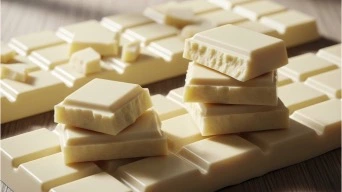
White chocolate is made from the cacao bean—but only part of it.
Unlike dark or milk chocolate, white chocolate contains:
- Cocoa butter
- Milk solids
- Sugar
What it does not contain is cocoa solids.
And cocoa solids are what give chocolate its brown color and deep, bitter flavor.
That’s why white chocolate:
- Looks pale or ivory
- Tastes creamy and sweet
- Lacks the classic “chocolate bitterness”
This difference is the reason white chocolate sparks so much debate.
Is White Chocolate “Real” Chocolate?
This question comes up a lot.
From a technical standpoint, yes, white chocolate is considered chocolate in many countries—as long as it contains cocoa butter.
According to FDA, products labeled as white chocolate must meet specific standards, including a minimum percentage of cocoa butter.
If a product replaces cocoa butter with vegetable oils, it’s not true white chocolate—even if the label says so.
The Key Ingredient: Cocoa Butter

Cocoa butter is the natural fat extracted from cacao beans.
It’s what gives white chocolate:
- Its smooth melt
- That creamy mouthfeel
- The way it softens at body temperature
If you’re curious why chocolate melts the way it does, our article: What Is Cocoa Butter? Benefits & Uses for Better Health explains this in detail.
Without cocoa butter, white chocolate wouldn’t behave like chocolate at all.
How White Chocolate Is Made (Step by Step)
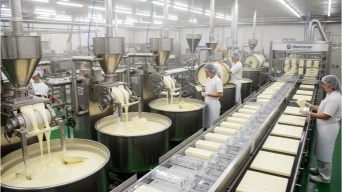
White chocolate follows many of the same early steps as dark and milk chocolate—until one crucial point.
Step 1: Harvesting Cacao Beans
Cacao pods are harvested and opened to remove the beans.
Step 2: Fermentation and Drying
Beans are fermented and dried to develop flavor—even though white chocolate won’t use the cocoa solids later.
Step 3: Roasting
Beans are lightly roasted. This improves aroma and stability.
Step 4: Separating Cocoa Butter
This is where white chocolate takes a different path.
The cacao beans are pressed to separate:
- Cocoa butter (used)
- Cocoa solids (removed)
Those solids go on to become cocoa powder or dark chocolate.
Step 5: Mixing Ingredients
Cocoa butter is blended with:
- Milk solids
- Sugar
- Sometimes vanilla or lecithin
Step 6: Refining and Conching
The mixture is refined and conched to create a smooth texture.
According to International Cocoa Organization, conching is essential for achieving the creamy texture white chocolate is known for.
Why White Chocolate Tastes So Different
Because it contains no cocoa solids, white chocolate:
- Has no bitterness
- Tastes sweeter
- Highlights dairy and vanilla notes
That’s also why it pairs well with:
- Citrus
- Berries
- Nuts
- Caramel
If you enjoy baking with it, White Chocolate Recipes: How to Make the Best Home Cookies shows how to balance its sweetness properly.
White Chocolate vs Milk Chocolate vs Dark Chocolate
Let’s simplify the comparison.
White Chocolate
- Cocoa butter ✔️
- Cocoa solids ❌
- Sweet, creamy
Milk Chocolate
- Cocoa butter ✔️
- Cocoa solids ✔️
- Milk added
- Sweeter than dark
Dark Chocolate
- Cocoa butter ✔️
- Cocoa solids ✔️✔️
- Little to no milk
- Bitter, intense
For a deeper nutrition-focused breakdown, Milk Chocolate vs Dark Chocolate Nutrition – What You Need to Know explains how cocoa solids affect health and flavor.
Is White Chocolate Healthier or Less Healthy?
White chocolate is best thought of as a treat, not a health food.
Because it lacks cocoa solids, it also lacks:
- Most antioxidants
- Flavanols linked to heart health
According to Harvard T.H. Chan School of Public Health, the health benefits of chocolate largely come from cocoa solids—not cocoa butter alone.
That doesn’t make white chocolate “bad.” It just means it offers pleasure, not nutrition.
If you want a balanced perspective, Reasons Why Chocolate Is Bad for You explains how moderation matters more than chocolate type.
Does White Chocolate Contain Caffeine?
No.
White chocolate contains no cocoa solids, and caffeine lives in those solids.
If caffeine sensitivity matters to you, this makes white chocolate a gentler option.
For comparison, Does Chocolate Have Caffeine? Truth You Need to Know explains how caffeine varies across chocolate types.
Why Some White Chocolate Tastes Waxy
This usually comes down to quality.
Low-quality white chocolate often:
- Replaces cocoa butter with vegetable fats
- Uses too much sugar
- Skips proper conching
The result is a waxy texture and flat sweetness.
Good white chocolate should:
- Melt smoothly
- Taste creamy, not oily
- Have a clean finish
Always check the ingredient list.
How to Use White Chocolate at Home

White chocolate works best when treated gently.
Great uses include:
- Cookies and blondies
- Mousse and ganache
- Drizzles and coatings
- Ice cream and frozen desserts
Because it burns easily, low heat is essential. How to Melt Chocolate Chips Easily covers techniques that work especially well for white chocolate.
White Chocolate in Desserts: Why Bakers Love It
Bakers often use white chocolate to:
- Add richness without bitterness
- Balance tart flavors
- Create visual contrast
It shines in recipes where chocolate isn’t meant to dominate.
Is White Chocolate Expensive for a Reason?
Sometimes.
High-quality white chocolate costs more because:
- Cocoa butter is expensive
- Proper processing takes time
But price alone isn’t a guarantee of quality.
If you’re curious about value, Are Expensive Chocolates Really Better? What the Experts Say explains when higher prices actually matter.
Common Myths About White Chocolate
“White chocolate isn’t chocolate at all”
It is—if it contains cocoa butter.
“White chocolate is just sugar”
Quality versions rely heavily on cocoa butter.
“White chocolate can’t be used in serious baking”
It absolutely can, when balanced properly.
Short FAQ: White Chocolate Explained
Is white chocolate made from cacao beans?
Yes, specifically from the cocoa butter.
Why is it so sweet?
Because there are no cocoa solids to balance the sugar.
Can I substitute white chocolate for dark chocolate?
Not directly. Flavor and structure differ.
Does white chocolate go bad?
Yes. Store it cool, dry, and sealed.
Final Thoughts: White Chocolate Has Its Own Place
So, what is white chocolate and how is it made?
It’s chocolate built on cocoa butter instead of cocoa solids.
It’s creamy instead of bitter.
It’s indulgent instead of functional.
White chocolate isn’t trying to be dark chocolate—and it doesn’t need to be.
When you understand what it is and how it works, it becomes easier to enjoy it for what it offers: comfort, balance, and smooth sweetness.And if you enjoy chocolate explained clearly—without hype or confusion—you’ll find many more thoughtful guides waiting for you on ChocoTalks.com, where every type of chocolate gets the respect it deserves.
Our Authority Sources
- FDA – White Chocolate Standards
Official U.S. guidelines defining what qualifies as white chocolate, including cocoa butter requirements and labeling rules. - Harvard T.H. Chan School of Public Health – Cocoa Compounds & Health
Research-based insights into cocoa flavanols, antioxidants, and how chocolate components affect health. - International Cocoa Organization (ICCO) – Cocoa Processing
Global authority on cocoa production, processing standards, and the science behind cocoa and chocolate manufacturing. - Cleveland Clinic – Chocolate & Nutrition Context
Medical perspective on chocolate consumption, nutrition, benefits, and moderation.