
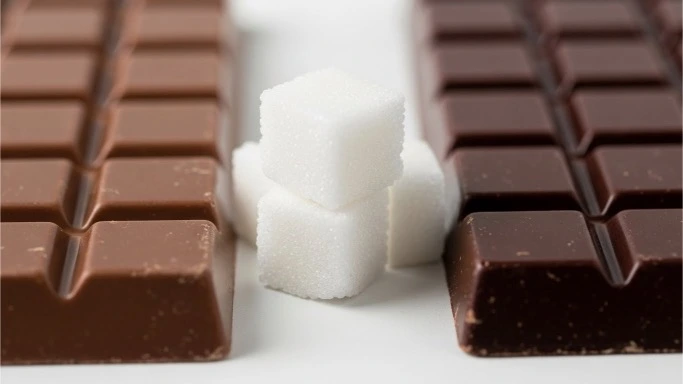
Chocolate tastes sweet for a reason.
But how much sugar is actually in chocolate? And does it really vary that much from one type to another?
If you’ve ever stood in a store comparing a milk chocolate bar to a dark one and wondered what the real sugar difference is, you’re not alone. Sugar is one of the most misunderstood parts of chocolate nutrition—and it’s often hidden behind words like “rich,” “smooth,” or “70% cocoa.”
This guide breaks everything down in plain language. You’ll learn how much sugar is in different types of chocolate, why it’s there, when it matters, and how to make smarter choices without giving up chocolate completely.
Why Sugar Is Added to Chocolate in the First Place

Cocoa beans are naturally bitter. Very bitter.
Sugar is added to:
- Balance cocoa’s bitterness
- Improve texture
- Make chocolate widely appealing
Without sugar, most commercial chocolate wouldn’t taste the way people expect it to.
The problem isn’t sugar itself—it’s how much sugar ends up in many modern chocolate products.
How Much Sugar Is in Chocolate? (Quick Overview)
Let’s start with averages per 1 ounce (28 g) serving:
Milk Chocolate
- 12–20 grams of sugar
- Often more sugar than cocoa
Dark Chocolate (70% cocoa)
- 5–8 grams of sugar
- Varies by brand
Dark Chocolate (85% cocoa)
- 2–4 grams of sugar
- Much less sweet
White Chocolate
- 15–20 grams of sugar
- No cocoa solids at all
Hot Chocolate Mix
- 15–25 grams per packet
- Mostly added sugar
So yes—the type of chocolate makes a big difference.
Milk Chocolate: Why Sugar Adds Up Fast
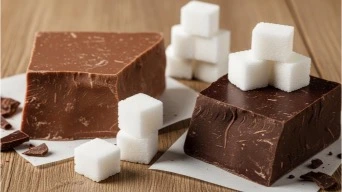
Milk chocolate is usually the biggest sugar offender.
Why?
- Lower cocoa content
- Added milk solids
- Designed to be sweet and creamy
In many milk chocolate bars, sugar is the first ingredient. That means it makes up the largest portion by weight.
This is one reason milk chocolate often comes up in nutrition discussions like milk chocolate vs dark chocolate nutrition.
Milk chocolate isn’t “bad,” but it’s best viewed as an occasional treat, not an everyday snack.
Dark Chocolate: Less Sugar, But Not Sugar-Free
Dark chocolate has a healthier reputation—and for good reason—but it still contains sugar.
The key factor is cocoa percentage.
How Cocoa Percentage Affects Sugar
- 50% cocoa → still fairly sweet
- 70% cocoa → noticeably less sugar
- 85%+ cocoa → very low sugar, very intense
Higher cocoa percentage = less room for sugar.
White Chocolate: High Sugar, No Cocoa Benefits
White chocolate often surprises people.
Despite the name, white chocolate contains no cocoa solids. It’s made from:
- Cocoa butter
- Sugar
- Milk solids
Because there are no cocoa solids to balance flavor, sugar levels are usually high.
That means:
- No antioxidants
- No cocoa fiber
- Mostly sugar and fat
From a sugar standpoint, white chocolate behaves more like candy than chocolate.
Sugar in Chocolate Chips and Baking Chocolate
Not all chocolate is eaten straight from the bar.
Chocolate Chips
- Semi-sweet chips: ~8–10 g sugar per ounce
- Milk chocolate chips: higher
- Dark chocolate chips: lower
Baking Chocolate (Unsweetened)
- 0 grams of sugar
- Pure cocoa solids
This is why baking recipes add sugar separately. Cocoa itself isn’t sweet at all.
Understanding this helps explain why recipes like classic chocolate chip cookies can end up high in sugar if you’re not mindful.
How Sugar Affects Your Body When You Eat Chocolate
Sugar isn’t just about taste—it affects how your body responds.
High-sugar chocolate can cause:
- Rapid blood sugar spikes
- Energy crashes
- Increased cravings
- Easier overeating
According to American Heart Association, most adults already exceed recommended daily sugar limits, often from snacks and sweets.
Chocolate doesn’t act alone—but it adds up quickly.
Reading Chocolate Labels: What to Look For
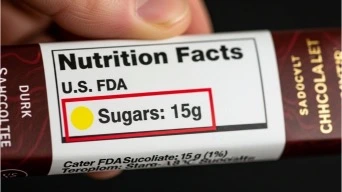
Learning to read labels changes everything.
Check These First:
- Serving size (often smaller than expected)
- Total sugars
- Added sugars
Also look at the ingredient list:
- Sugar listed first = high-sugar chocolate
- Fewer ingredients usually means better quality
The FDA requires added sugars to be listed separately now—use that to your advantage.
Is Chocolate Sugar Worse Than Other Sugar?
Sugar is sugar, regardless of source.
But chocolate’s sugar often comes with:
- Fat (slows digestion slightly)
- Cocoa compounds (in dark chocolate)
That means dark chocolate may have a gentler blood sugar effect than candy or soda—but it’s still sugar.
The Harvard T.H. Chan School of Public Health emphasizes overall dietary patterns over single foods.
How Much Chocolate Sugar Is “Too Much”?
There’s no single number that fits everyone.
General guidance:
- Added sugars should stay under 25–36 g per day
- One milk chocolate bar can meet or exceed that
That’s why portion size matters more than people realize.
If sugar sensitivity or health concerns are an issue, it may help to pair chocolate with:
- Nuts
- Fruit
- Protein
This slows sugar absorption and improves satisfaction.
Does Dark Chocolate Actually Help Reduce Sugar Cravings?
For many people, yes.
Why?
- Stronger flavor
- Less sweetness
- More satisfying in smaller amounts
This is why some people successfully switch from milk chocolate to dark chocolate and naturally reduce sugar intake.
If caffeine sensitivity is part of your concern, and you want to choose wisely, you can also check Does Chocolate Have Caffeine?
Chocolate Marketing vs Reality
Words like:
- “Organic”
- “Natural”
- “Antioxidant-rich”
Do not mean low sugar.
Always check the label.
According to Mayo Clinic, health halos can lead people to overeat foods they believe are “better,” even when sugar levels are similar.
How to Enjoy Chocolate Without Overdoing Sugar
Here’s the practical part.
Smarter Chocolate Choices
- Choose 70%+ dark chocolate
- Stick to 1 oz portions
- Eat slowly
- Avoid eating straight from the package
- Enjoy chocolate intentionally, not distracted
Chocolate tastes better when you’re actually paying attention.
If you’re also curious about the downsides of overconsumption, our article Reasons Why Chocolate Is Bad for You offers a balanced, honest look.
Short FAQ: How Much Sugar in Chocolate
Is dark chocolate sugar-free?
No, but it usually contains much less sugar.
Does milk chocolate have more sugar than candy?
Sometimes, yes—depending on the product.
Is white chocolate the highest in sugar?
Often yes, because it lacks cocoa solids.
Can kids eat chocolate safely?
Yes, but portion size and frequency matter.
Final Thoughts
Sugar in Chocolate Is About Awareness, Not Fear
So, how much sugar is in chocolate?
Sometimes a little.
Sometimes a lot.
The difference depends on the type, portion, and frequency.
Chocolate doesn’t need to be eliminated to be enjoyed responsibly. Understanding sugar content simply helps you choose when, how, and how much—without guilt or confusion.
If you enjoy clear, honest conversations about chocolate—both the indulgent side and the nutritional reality—you’ll find plenty more thoughtful guides waiting for you on ChocoTalks.com, where chocolate is explored with curiosity, not judgment.