
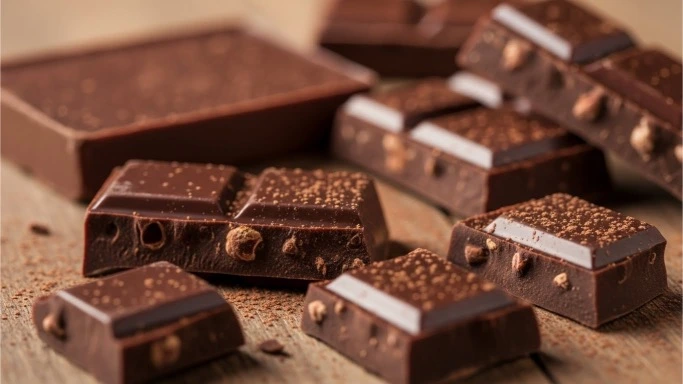
Benefits of dark chocolate
Dark chocolate is one of those rare foods that feels indulgent and has a science-backed story behind it.
It’s rich.
It’s satisfying.
And when chosen wisely, it can actually support your heart, brain, and skin.
That doesn’t mean dark chocolate is a miracle food or something to eat without limits. But it does mean that high-quality dark chocolate—eaten in moderation—offers real benefits that go far beyond taste.
In this guide, we’ll break down the benefits of dark chocolate for heart, brain, and skin, explain why it works, and show you how to enjoy it in a way that actually makes sense for real life.
What Makes Dark Chocolate Different From Other Chocolate?

The key difference is cocoa content.
Dark chocolate contains a much higher percentage of cocoa solids than milk or white chocolate. That matters because cocoa is where most of the beneficial compounds live.
High-quality dark chocolate typically contains:
- 60–85% cocoa
- Less sugar
- No or very little milk
If you’d like a deeper nutritional comparison, you can also read Milk Chocolate vs Dark Chocolate Nutrition for a side-by-side breakdown.
Why Cocoa Matters So Much
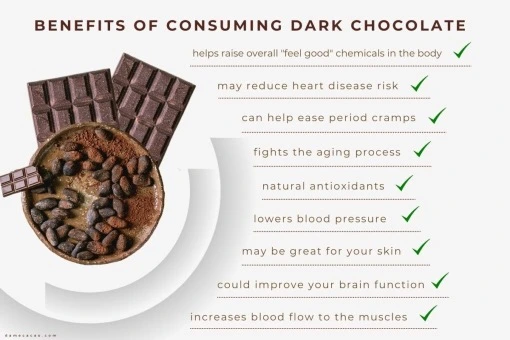
Cocoa is packed with naturally occurring plant compounds called flavanols.
Flavanols are known for:
- Supporting blood flow
- Reducing oxidative stress
- Helping protect cells
According to Harvard T.H. Chan School of Public Health, cocoa flavanols are responsible for many of dark chocolate’s health-related effects—especially when sugar is kept low.
The Benefits of Dark Chocolate for Heart Health
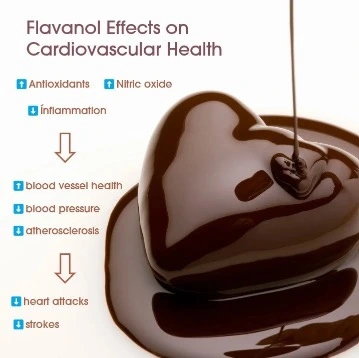
Heart health is where dark chocolate is most studied.
1. Supports Healthy Blood Flow
Flavanols help the body produce nitric oxide. This relaxes blood vessels and improves circulation.
Better circulation means:
- Less strain on the heart
- More efficient oxygen delivery
The American Heart Association notes that improved blood vessel function plays a key role in cardiovascular health.
2. May Help Lower Blood Pressure (Slightly)
Several studies suggest that regular, moderate dark chocolate intake may help slightly lower blood pressure, especially in people with elevated levels.
This doesn’t replace medication or lifestyle changes—but it can be a supportive habit when paired with a healthy diet.
3. Better Fat Profile Than You’d Expect
Dark chocolate contains cocoa butter, which includes stearic acid. This type of saturated fat behaves differently than others.
According to the Cleveland Clinic, stearic acid does not appear to raise LDL (“bad”) cholesterol in the same way other saturated fats do.
If you’re curious about this fat specifically, What Is Cocoa Butter? Benefits & Uses for Better Health on explains it in more detail.
The Benefits of Dark Chocolate for Brain Health

Your brain uses a lot of energy—and blood flow matters here too.
4. Supports Cognitive Function
Improved circulation doesn’t just help the heart. It also supports the brain.
Dark chocolate flavanols may help:
- Improve focus
- Support memory
- Enhance mental clarity
Some people notice a subtle mental lift after eating dark chocolate. That’s not just placebo—it’s partly due to increased blood flow.
5. Contains Natural Mood-Boosting Compounds
Dark chocolate contains small amounts of:
- Theobromine
- Caffeine
- Phenylethylamine
Together, these compounds can:
- Improve mood
- Increase alertness gently
- Reduce mental fatigue
If you’re sensitive to caffeine, keep portions modest. Does Chocolate Have Caffeine? explains which types contain more.
6. Helps Reduce Oxidative Stress in the Brain
Oxidative stress is linked to cognitive decline over time.
Dark chocolate’s antioxidants help neutralize free radicals, offering protective support—especially when paired with an overall nutrient-rich diet.
The Benefits of Dark Chocolate for Skin Health
This is one of the most surprising areas where dark chocolate shines.
7. Helps Protect Skin From Sun Damage
Flavanols improve blood flow to the skin and may increase skin density and hydration.
Some research suggests regular intake of flavanol-rich cocoa can:
- Improve skin elasticity
- Increase resistance to UV damage
This does not replace sunscreen—but it can support skin from the inside out.
8. Supports Skin Hydration and Texture
Better circulation means:
- More nutrients delivered to skin cells
- Improved moisture retention
This is one reason dark chocolate often comes up in discussions about skin health—especially when sugar intake is controlled.
9. Antioxidants Help Fight Premature Aging
Oxidative stress contributes to wrinkles and dullness.
Dark chocolate’s antioxidants help combat that process by:
- Reducing inflammation
- Supporting cell repair
For balance, it’s also important to understand when chocolate isn’t helpful. Reasons Why Chocolate Is Bad for You covers when excess sugar and portions become a problem.
How Much Dark Chocolate Should You Eat?

This is where moderation matters.
A good guideline:
- 1 ounce (about 2–3 small squares)
- A few times per week
More is not better. Benefits level off, while sugar and calories add up.
If sugar is a concern for you, How Much Sugar in Chocolate – All You Need to Know breaks down what to watch for on labels.
Choosing the Right Dark Chocolate
Not all dark chocolate delivers the same benefits.
Look for:
- 70% cocoa or higher
- Short ingredient list
- Cocoa mass or cocoa solids listed first
Limit:
- Added flavors
- High sugar content
- Vegetable oils replacing cocoa butter
The FDA recommends reading ingredient labels carefully—front-of-package claims don’t tell the full story.
Common Myths About Dark Chocolate
“More is always better”
False. Portion size still matters.
“All dark chocolate is healthy”
Not true. Some dark chocolate still contains a lot of sugar.
“It replaces fruits and vegetables”
Absolutely not. Dark chocolate is a support, not a substitute.
According to the Mayo Clinic, no single food provides complete protection—variety is essential.
Who Should Be Careful With Dark Chocolate?
Dark chocolate may not be ideal if you:
- Are very caffeine-sensitive
- Have acid reflux triggered by chocolate
- Are managing calorie intake closely
In these cases, smaller portions or earlier-in-the-day consumption may work better.
Short FAQ: Benefits of Dark Chocolate
Is dark chocolate really good for your heart?
Yes, in moderation—mainly due to flavanols.
Does dark chocolate help the brain?
It can support blood flow and focus.
Can dark chocolate improve skin?
It may help hydration and UV resistance over time.
Is 85% better than 70%?
Nutritionally, yes—but taste and sustainability matter too.
Final Thoughts
The benefits of dark chocolate for heart, brain, and skin are real—but they’re not magic.
Dark chocolate works best when:
- Cocoa content is high
- Sugar is low
- Portions are reasonable
- It’s part of a balanced lifestyle
When enjoyed this way, dark chocolate becomes more than a treat. It becomes a small, satisfying habit that supports both pleasure and well-being.
And if you enjoy learning why chocolate works—not just whether it’s “good” or “bad”—you’ll find many more thoughtful, honest guides waiting for you on ChocoTalks.com, where chocolate is explored with clarity, balance, and curiosity.