
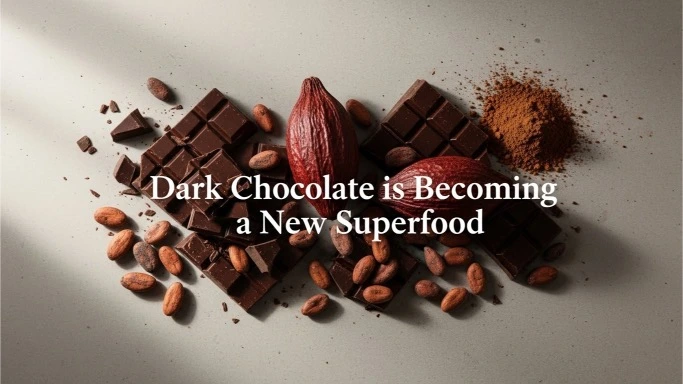
For decades, chocolate lived in the “guilty pleasure” category. Something you enjoyed quietly, not something you talked about as good for you. That perception has changed—and dark chocolate is the reason why.
Across nutrition research, cultural food trends, and everyday habits, dark chocolate has quietly earned a new reputation. Not as a miracle cure. Not as a diet hack. But as a functional food with real, measurable benefits when eaten intentionally.
This is why so many people now refer to dark chocolate as the new global superfood.
In this article, we’ll explore why that shift happened, what makes dark chocolate different from other chocolates, what science actually supports, and where the limits are. No hype. Just clarity.
What Does “Superfood” Actually Mean?
Before calling anything a superfood, it’s worth slowing down.
A superfood isn’t a medical term. It’s a cultural one. It usually describes foods that:
- Are rich in beneficial compounds
- Offer more nutrition per bite than average
- Support multiple body systems
- Fit easily into daily life
Dark chocolate checks many of these boxes—but only in its true form, not the sugary candy versions most people grew up with.
Why Dark Chocolate Is Different From Other Chocolate
Dark chocolate stands apart because of one key factor: cocoa content.
The Role of Cocoa Solids
Cocoa solids contain flavanols, polyphenols, and antioxidants. These compounds are responsible for most of dark chocolate’s health reputation.
As chocolate becomes more processed and sweeter:
- Cocoa solids decrease
- Sugar and milk increase
- Health benefits drop
This is why milk chocolate and white chocolate don’t show the same effects.
If you want a deeper breakdown, Milk Chocolate vs Dark Chocolate Nutrition explains this difference clearly and practically.
The Global Rise of Dark Chocolate
Dark chocolate’s “superfood” status didn’t come from marketing alone. It emerged from a mix of science, culture, and changing consumer habits.
Why It’s Happening Now
- More people are reducing sugar
- Consumers read ingredient labels more closely
- Interest in plant-based antioxidants has grown
- Traditional food cultures are being re-examined
In many regions, cocoa has been valued for centuries—not as candy, but as a functional food.
Dark Chocolate and Antioxidants: The Core Reason It’s a Superfood

Antioxidants help protect the body from oxidative stress, which is linked to aging and chronic disease.
Why Cocoa Antioxidants Matter
Dark chocolate is especially rich in:
- Flavanols
- Polyphenols
- Catechins
Gram for gram, high-cocoa dark chocolate can rival or exceed many berries in antioxidant capacity.
According to Harvard T.H. Chan School of Public Health, cocoa flavanols have been studied for their role in heart health, circulation, and inflammation.
This antioxidant density is the foundation of dark chocolate’s superfood status.
Dark Chocolate and Heart Health (Globally Relevant)
Heart disease is a leading global health concern, and diet plays a significant role.
What Research Suggests
Moderate dark chocolate intake may:
- Support healthy blood flow
- Improve endothelial function
- Help manage blood pressure slightly
This doesn’t mean dark chocolate replaces medical care. It means it can support cardiovascular health as part of a balanced lifestyle.
For a deeper, women-focused perspective, read our article: Dark Chocolate Benefits for Women that explores how these effects show up differently across life stages.
Brain, Mood, and Stress: Why People Feel Better After Dark Chocolate

One reason dark chocolate feels “comforting” isn’t just emotional—it’s biochemical.
How Dark Chocolate Affects the Brain
Dark chocolate contains:
- Small amounts of caffeine
- Theobromine
- Compounds that influence serotonin and endorphins
Together, these can:
- Improve alertness
- Support mood
- Reduce perceived stress
According to Cleveland Clinic, dark chocolate may help lower stress hormones like cortisol when consumed in moderation.
This combination of mental and physical effects helps explain its global appeal.
Is Dark Chocolate Really Healthy Everywhere in the World?
Context matters.
In cultures where dark chocolate is:
- Eaten plain
- Consumed in small portions
- Not combined with excess sugar
…it functions much closer to a superfood.
In ultra-processed forms:
- Benefits diminish
- Sugar outweighs cocoa
This is why ingredient awareness is essential.
To navigate modern labels without comfusion, read our article: Best Sugar-Free Chocolate: How to Choose the Healthiest Chocs
Why Dark Chocolate Fits Modern Eating Patterns
Dark chocolate works well with:
- Mediterranean-style diets
- Flexitarian eating
- Mindful indulgence
Unlike supplements, it:
- Requires no routine change
- Doesn’t feel restrictive
- Is culturally accepted worldwide
This ease of integration is part of what makes it a global superfood—not just a trendy one.
How Much Dark Chocolate Is Enough?

This is where realism matters.
Most research points to:
- 1–2 small squares per day
- 70–85% cocoa
- Minimal added sugar
More is not better.
According to FDA, moderation is essential with any calorie-dense food—even those with beneficial compounds.
Common Misunderstandings About Dark Chocolate
“All dark chocolate is healthy”
Not true. Cocoa percentage and processing matter.
“It cancels out sugar cravings”
It can help—but only when eaten mindfully.
“It’s a health food replacement”
No. It’s a supportive food, not a substitute.
If you want a grounded counterbalance, Reasons Why Chocolate Is Bad for You explains where moderation becomes critical.
People Also Ask: Dark Chocolate as a Superfood
Why is dark chocolate considered a superfood?
Because of its high antioxidant and flavanol content.
Is dark chocolate healthier than fruit?
They offer different benefits. Dark chocolate is more concentrated.
Can I eat dark chocolate every day?
Yes, in small amounts.
Does cocoa percentage matter?
Yes. Higher cocoa means more beneficial compounds.
What cocoa percentage is best?
70–85% for balance.
Is dark chocolate good for everyone?
Most people tolerate it well, but caffeine-sensitive individuals should monitor intake.
Is raw cacao better than dark chocolate?
Not necessarily. Processing affects taste and digestibility.
Does dark chocolate help longevity?
It may support long-term health as part of a balanced diet.
The Role of Processing: Why Not All Cocoa Is Equal
Processing can:
- Reduce flavanol content
- Increase bitterness
- Improve shelf stability
According to the International Cocoa Organization, modern processing balances safety, flavor, and nutrient retention—but some loss is inevitable.
This is why high-quality dark chocolate matters more than raw claims.
Dark Chocolate vs Other “Superfoods”
Unlike many superfoods, dark chocolate:
- Is widely accessible
- Doesn’t require preparation
- Has cultural acceptance across regions
That combination is rare.
It’s one reason dark chocolate has crossed borders so easily—from Europe to Latin America to Asia—without losing relevance.
Final Thoughts
Why dark chocolate is the new global superfood isn’t about trends or marketing buzz.
It’s about:
- Dense nutritional value
- Cultural longevity
- Scientific support
- Realistic enjoyment
When chosen carefully and eaten mindfully, dark chocolate offers something few foods can: pleasure and purpose in the same bite.
And if you enjoy chocolate explained with honesty, balance, and curiosity, you’ll find many more thoughtful guides on ChocoTalks.com, where chocolate is never just a trend—it’s a conversation.
Our Authority Sources
- International Cocoa Organization – Cocoa Compounds & Processing
Explains cocoa composition, traditional use, and processing effects. - Harvard T.H. Chan School of Public Health – Chocolate & Health
Research-based insights into cocoa flavanols and cardiovascular health. - Cleveland Clinic – Dark Chocolate Health Context
Medical perspective on stress, heart health, and moderation. - FDA – Food & Nutrition Guidance
Regulatory context for ingredients, labeling, and moderation.